Rain Jacket Waterproof Ratings Explained (and Which Jacket to Actually Buy)
10,000 mm is plenty for most people, DWR is what fails first, and pit zips beat any breathability number. How to read the specs, plus three budget jackets and two we'd buy elsewhere.

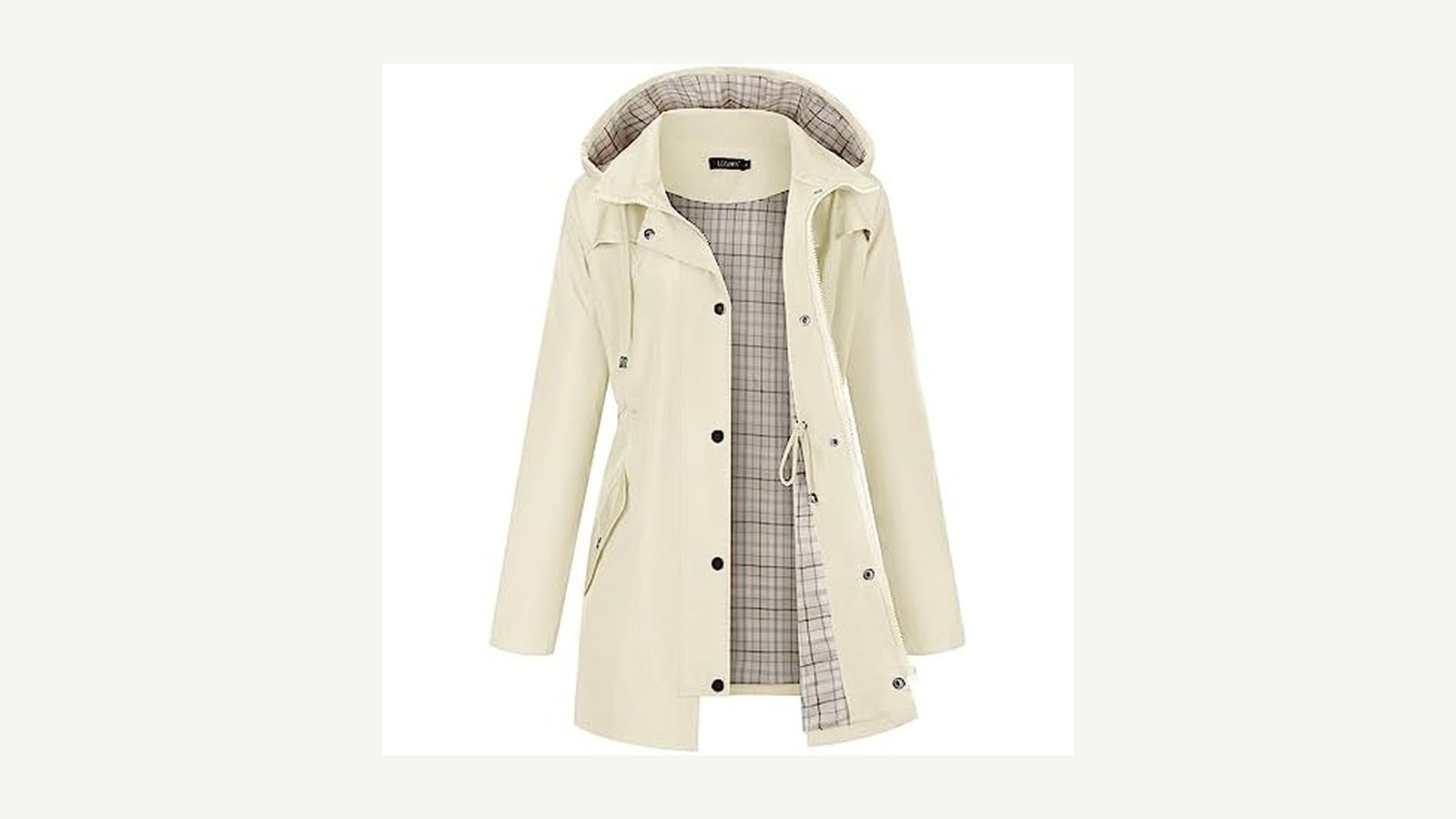
Our picks
Prices checked September 4, 2026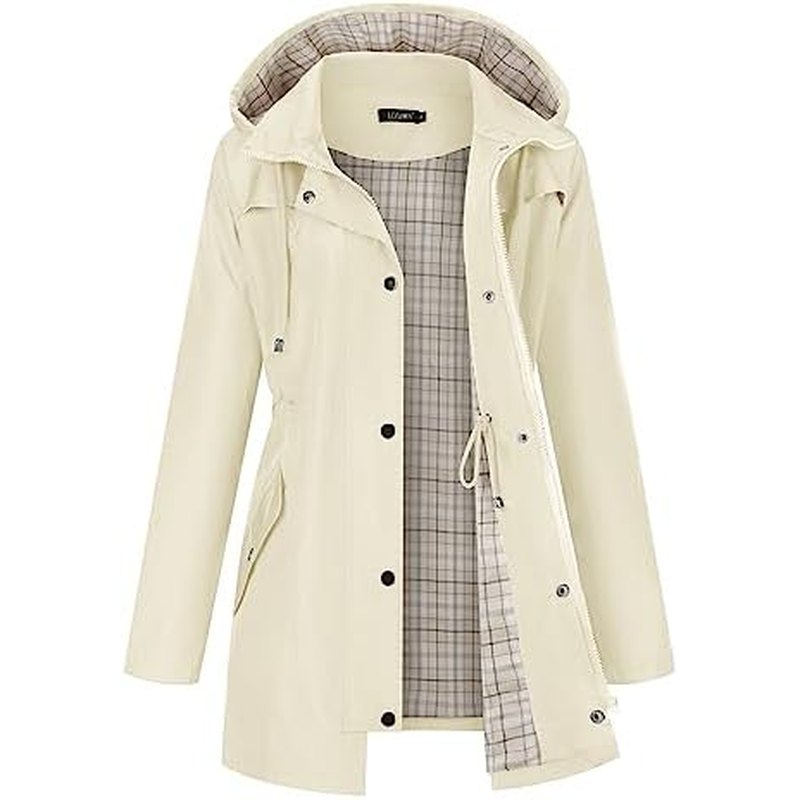
LOMON Lined Hooded Raincoat (Women's)
The lining keeps clammy coated fabric off your skin and the longer cut covers your seat on a wet bench; the right $35 jacket for commuting, travel and dog walks. 4.5 stars across about 2,100 reviews.
Women's cutLined interiorHoodedLonger trench length
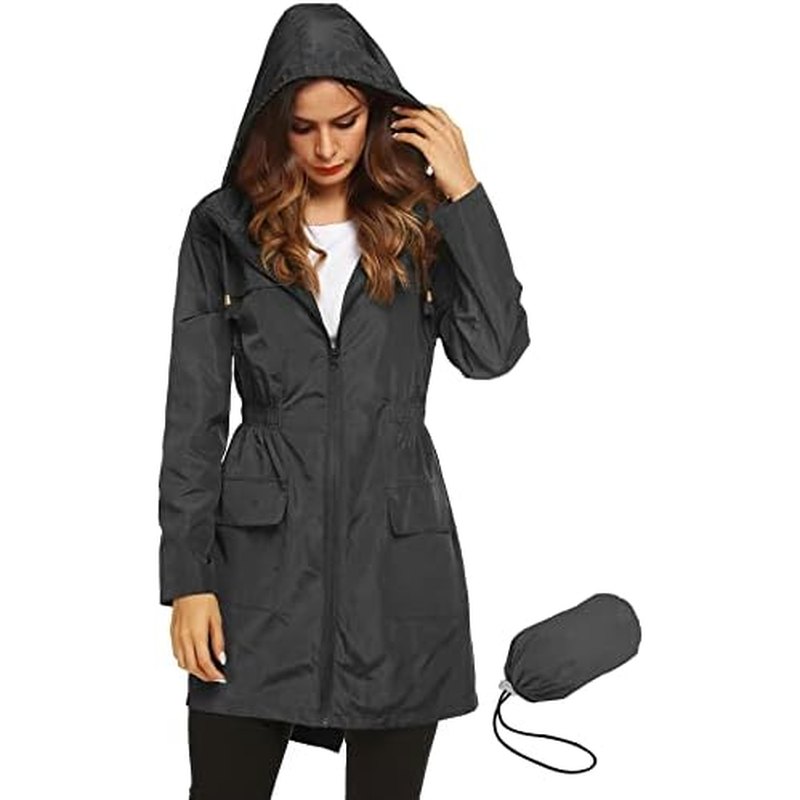
Lomon Lightweight Rain Jacket (Women's)
Same brand with no lining and less bulk, for summer showers and a jacket that lives in a car door or a bag. Rates a little lower (4.2 stars, about 1,700 reviews), almost entirely because it sticks to bare arms.
Women's cutUnlined, lightweightHooded
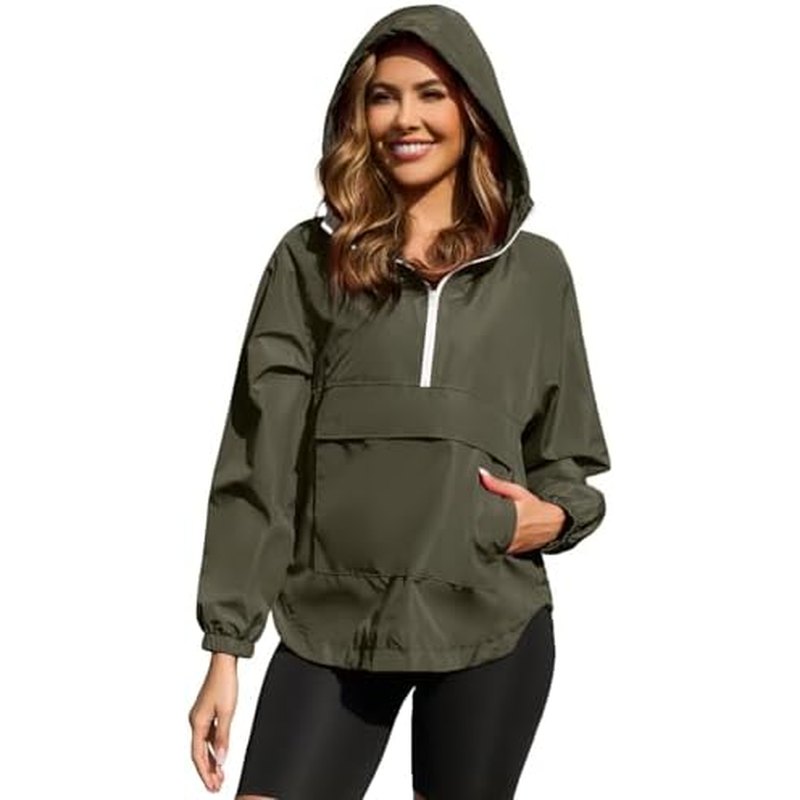
PESION Packable Pullover Rain Jacket (Women's)
A half-zip, windbreaker-weight shell that packs into itself and is cut for movement; a wind-and-showers layer, not a storm jacket. 4.5 stars, but from only about 120 reviews.
Women's cutPackableHalf-zip pulloverWindbreaker weight
Rain jackets carry two big numbers — waterproofness in millimeters and breathability in grams — and most of the jackets people actually buy don’t publish either. That’s fine, because the numbers matter less than the hang tags suggest. For walking, commuting and day hikes, anything a maker is willing to call waterproof with taped seams will keep rain out. What decides whether you stay comfortable is the coating on the outside (the DWR), the venting, and the hood.
Here’s the decision in two lines. If you need a jacket for rain that happens to you — commutes, dog walks, a wet day of sightseeing — a $30–$40 coated jacket with a good hood does the job, and we’ve named three below. If you need a jacket for rain you go out into on purpose — long days under a pack, brush, multi-day trips — buy a 2.5- or 3-layer shell with pit zips from Marmot or Patagonia, which pay us nothing.
We didn’t run a spray test. This is a comparison of published specs and construction across about a dozen jackets from Lomon, Pesion, Marmot, Patagonia, Columbia and The North Face, plus the long-term owner reviews, which are unusually good at telling you when a jacket wets out. One more honesty line up front: all three of our affiliate picks are women’s cuts. Men should read the ratings section and then go straight to the two non-affiliate jackets.
Five jackets, side by side
| Jacket | Construction | Published waterproof rating | Pit zips | Price | Best for |
|---|---|---|---|---|---|
| LOMON lined hooded raincoat | Coated shell, lined, longer cut | Not published | Not listed | $35–$37 | Commuting, travel, dog walks |
| Lomon lightweight rain jacket | Coated shell, unlined | Not published | Not listed | $33 | Warm-weather walks, a car or bag jacket |
| PESION packable pullover | Coated windbreaker, half-zip | Not published | Not listed | $41 | Running and cycling |
| Marmot PreCip Eco (not an affiliate link) | 2.5-layer, NanoPro membrane | About 10,000 mm | Yes | about $100–$120 | Day hikes and travel |
| Patagonia Torrentshell 3L (not an affiliate link) | 3-layer, H2No membrane | Not published (H2No standard) | Yes | about $180 | Long days under a pack |
What the millimeter rating actually measures
The waterproof rating comes from a hydrostatic head test: a column of water is stood on the fabric and raised until water pushes through. A 10,000 mm fabric held back a ten-meter column. In practice:
- Under 5,000 mm: water-resistant. Fine for drizzle, fails in steady rain.
- 5,000–10,000 mm: waterproof for walking around, commuting, and day hikes without a heavy pack.
- 10,000–20,000 mm: handles sustained rain and the pressure of pack straps or kneeling.
- Over 20,000 mm: expedition territory; heavier and stiffer than most people need.
Pressure is what matters. Rain falling on you exerts very little; a 30-pound pack strap pressing wet fabric into your shoulder exerts a lot, which is why hikers get wet at the shoulders first and why they need the higher tier. Someone walking to the train does not.
The three budget jackets here don’t publish a rating. From the construction (a coated shell fabric rather than a laminated membrane) and from owner reviews, they behave like the 5,000–10,000 mm tier: dry in a real downpour for an hour or two, damp at the seams and shoulders after a long wet day. That’s what $35 buys, and for most people it’s enough.
DWR: the part that fails first
Durable water repellent is the finish on the outer fabric that makes rain bead and roll off. It is not what makes the jacket waterproof — the coating or membrane does that — but when it wears off, the outer fabric soaks up water, the jacket feels heavy and cold, and it stops breathing entirely. Owners describe this as “my jacket leaks,” and it usually isn’t leaking. The DWR is gone.
DWR wears away with abrasion (pack straps, seatbelts, washing) and gets clogged by dirt and skin oils. The fix is not a new jacket: wash it with a technical detergent, tumble dry on low to reactivate the finish, and if that doesn’t bring the beading back, reapply a wash-in or spray-on treatment. Newer PFAS-free finishes, now used on the Marmot and the Patagonia, are better for the environment and need this maintenance a little more often. Budget for one re-treatment a season if you wear the jacket weekly.
Breathability, and why pit zips beat the number
Breathability ratings (grams of vapor per square meter per day) come from several test methods that don’t compare across brands. A more useful rule: a coated budget jacket breathes poorly, a 2.5-layer membrane jacket breathes acceptably, a 3-layer one breathes well, and none of them breathe well enough for uphill hiking without vents.
That’s why pit zips — the zippered vents under the arms — are the single most-praised feature in active-user reviews of the PreCip and Torrentshell, and the most-missed feature in reviews of jackets without them. If you’ll sweat in the jacket, buy pit zips. If you’ll walk in it, you can skip them and save the money.
Which of the budget three
For commuting, travel and daily wear: the LOMON lined hooded raincoat ($35–$37). The lining is the reason to pick this over the unlined version: it keeps the clammy coated fabric off your skin and makes the jacket wearable over a T-shirt. The longer cut covers your seat on a wet bench. It holds a 4.5-star average across about 2,100 reviews, and the low ratings are mostly about sizing running small, so check the chart.
For warm weather and a jacket that lives in a bag: the Lomon lightweight rain jacket ($33). Same brand, no lining, less bulk. It rates a bit lower (4.2 stars across about 1,700), and the difference in the reviews is almost entirely the lining — it sticks to bare arms in humid weather. Buy it for summer showers and stashing in a car door.
For running and cycling: the PESION packable pullover ($41). A half-zip windbreaker-weight shell that packs into itself, cut for movement. Its 4.5 stars come from only about 120 reviews, so there’s less track record than the other two; the reviews that exist praise the pack size and fit and describe it as a wind-and-showers layer rather than a storm jacket, which is the right expectation.
And the two we’d buy for real weather, which pay us nothing. The Marmot PreCip Eco at about $100–$120 is the default hiking rain jacket for a reason: a 2.5-layer NanoPro membrane, pit zips, a stiffened hood brim and a stuffable weight around 11 ounces. The Patagonia Torrentshell 3L at about $180 is the step up: a 3-layer H2No shell that lasts years of hard use, with pit zips and Patagonia’s repair program behind it. If you carry a pack in the rain more than a few times a year, one of these is the honest answer, and both come in men’s and women’s cuts.
The features that keep you dry, whatever the number
The hood decides more than the fabric. It should have a stiffened or wired brim so rain runs off in front of your face, and a cinch at the back so it turns with your head rather than sliding over your eyes. Seams should be fully taped (a lot of $30 jackets tape only the shoulders). The front zipper wants a storm flap or a water-resistant coil. Cuffs should close over gloves, and the hem should cinch. Size up enough to wear a fleece underneath; a rain jacket worn tight over a sweaty base layer is wet on both sides within an hour.
If the jacket is going in a pack for the day, our daypack guide covers where it should live.
FAQ
What waterproof rating do I actually need?
For town and short hikes, 5,000–10,000 mm or a coated jacket like the Lomon models. For long days under a pack, 10,000 mm and up with taped seams and pit zips — the PreCip is the entry point.
Why does my waterproof jacket feel wet inside?
Either the DWR has worn off and the outer fabric has soaked through, killing breathability, or you’re producing sweat faster than the fabric can vent. Wash and re-treat the jacket first; open the pit zips second; buy a more breathable shell last.
Is a 3-layer jacket worth it?
If you wear it hard and often, yes: the bonded inner face lasts far longer than a 2.5-layer’s printed coating, and it’s more comfortable against skin. For occasional use, a 2.5-layer or even a lined coated jacket delivers most of the dryness for a third of the money.
The bottom line
For commuting, travel and daily wear, buy the LOMON lined hooded raincoat and re-treat the DWR once a season. Runners and cyclists who want something that packs into a pocket: the PESION pullover. Anyone who carries a pack in the rain more than a few times a year should skip all three and buy the Marmot PreCip Eco or Patagonia Torrentshell 3L (not affiliate links).
What we like
- For rain that happens to you (commutes, travel, dog walks), a $35 coated jacket with a lined interior and a good hood is genuinely enough
- Waterproof ratings are easy to read once you know 10,000 mm is the line between walking-around dry and under-a-pack dry
- Most 'leaking' jackets aren't leaking — the DWR has worn off, and a wash and re-treatment fixes it for a few dollars
What to watch
- None of the three budget picks publishes a waterproof rating or lists pit zips, so they're wet-weather walking jackets, not hiking shells
- All three affiliate picks are women's cuts; men should go straight to the Marmot or Patagonia
- The PESION has only about 120 reviews, so its 4.5-star rating has far less behind it than the Lomon models
Junjie Li
Junjie researches and writes every guide on this site. No lab and no sponsors: manufacturer specs, long-term owner reviews and professional test results, then a straight answer on what to buy for each situation.