Which Camping Tent to Buy: Capacity, Seasons, and Setup (and the Four We'd Pick)
Person ratings run one to two people optimistic. Here's how to size a tent, when three-season is enough, why pole material matters more than brand — and the four tents we'd buy.

Our picks
Prices checked September 4, 2026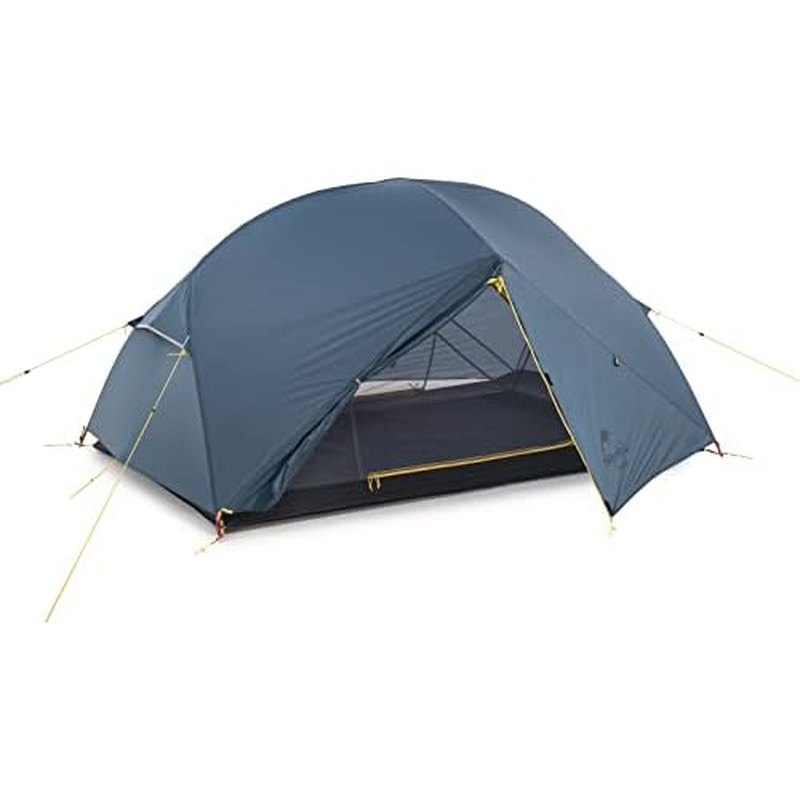
Naturehike Mongar 2-Person
Double-wall, two doors and two vestibules, aluminum poles, and light enough to carry — the first price point where a tent stops feeling disposable. 4.5 stars across about 1,000 reviews.
2 person, 2 doors3-season, double-wallFreestandingAluminum poles
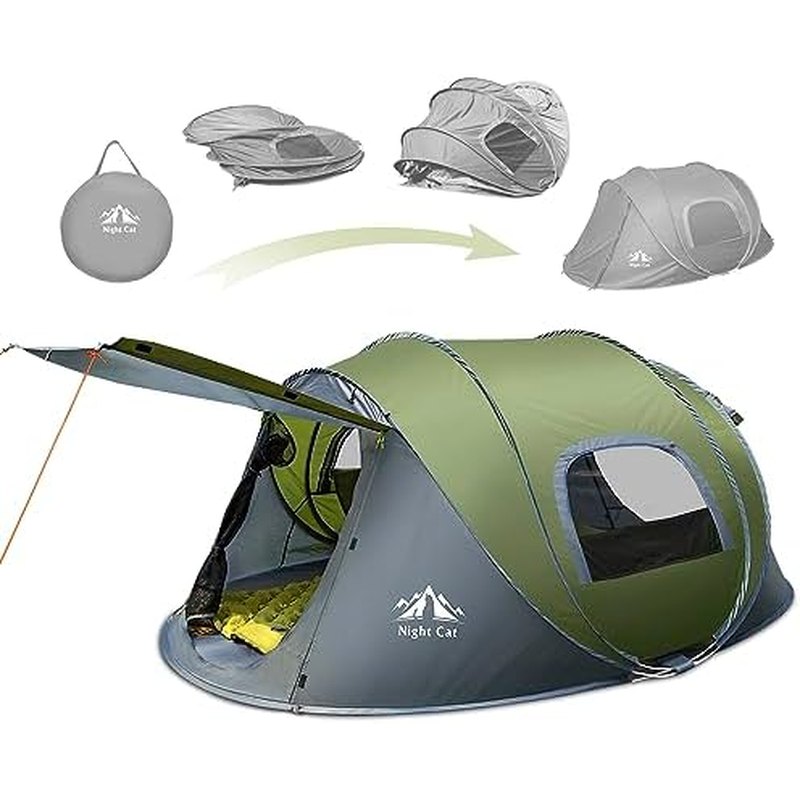
Night Cat Pop-up 2–4 Person
Opens in seconds from a flat disc, realistically sleeps two adults and a small child, and removes the one part of camping some families dread. 4.3 stars across about 1,300 reviews.
2–4 person (2 adults realistic)Pop-up instant pitchWaterproof-coated fabricPacks to a flat disc
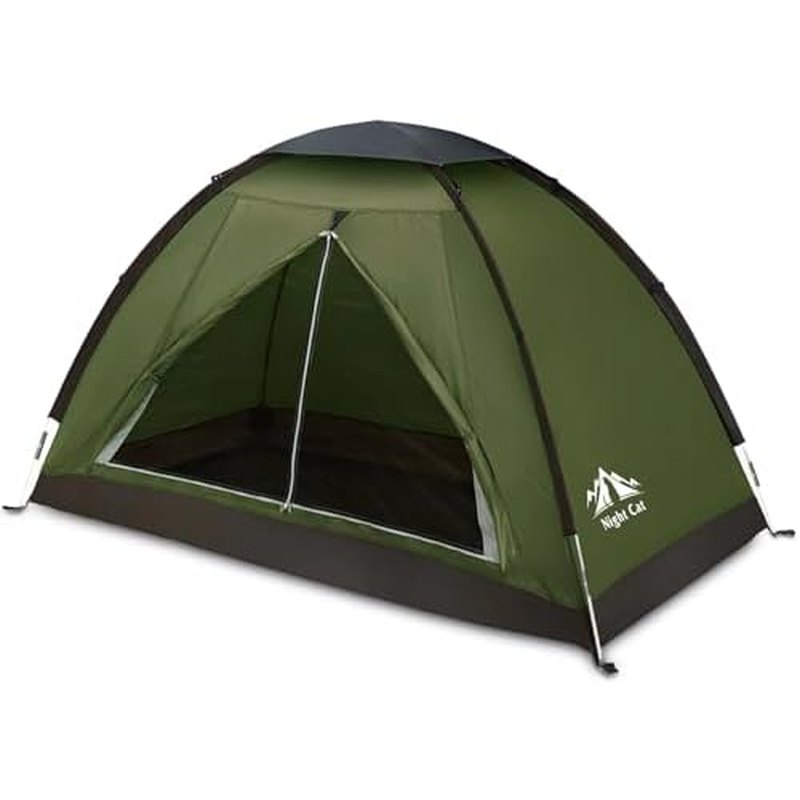
Night Cat 1–2 Person Backpacking
A single-wall dome with an honest 2.2 × 1.2 m floor for under $50: roomy for one, tight for two. Crack the door to manage condensation. 4.3 stars across 3,900+ reviews.
1–2 personSingle-wallFloor 2.2 × 1.2 m (87 × 47 in)Easy-setup dome
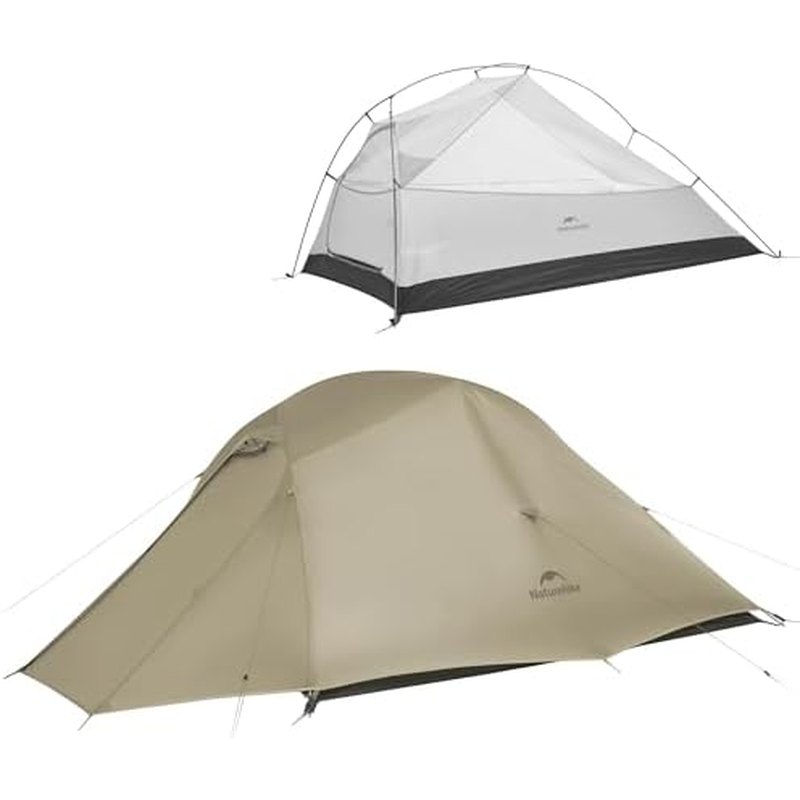
Naturehike Ultralight 3-Person
Naturehike's ultralight three-person for pairs with a dog or trios who carry their tent; the listing is thin on numbers, so confirm trail weight and floor size before ordering. 4.5 stars across 940+ reviews.
3 personUltralight backpacking class4.5 stars, 940+ reviews
Tent capacity ratings are the most misleading number in outdoor gear. A “two-person” tent means two standard 20-inch sleeping pads touching, with your packs outside. A “four-person” tent sleeps two adults and a child comfortably, or four adults who are very fond of each other. The one-star reviews on family tents are full of people who bought the number on the box and spent the night with their feet pressed against the door.
The decision is simpler than the spec sheets make it look. Count how many people will sleep in it and add one. Decide whether you’ll carry it or drive it to the site. Decide whether you ever camp in snow. Those three answers choose the tent; everything after that is refinement.
We didn’t run these tents through a wind tunnel or a rain rig. This is a spec comparison across roughly twenty current tents from Naturehike, Night Cat, Coleman, REI, Kelty and Marmot, plus a close read of the long-term owner reviews — the ones written after a wet weekend, not on unboxing day. Four of the tents below pay us a small commission if you buy through our link. The Coleman and REI models don’t, and we name them anyway because for some campers they’re the right answer.
Six tents, sorted by who they’re for
| Tent | Rated | Realistic | Construction | Price | Best for |
|---|---|---|---|---|---|
| Naturehike Mongar 2 | 2 | 2 adults, gear in two vestibules | Double-wall, freestanding, aluminum poles | $119 | Couples who camp more than twice a year |
| Night Cat Pop-up 2–4P | 2–4 | 2 adults + a small child | Pop-up frame, instant pitch | $85–$100 | Families who want the tent up in a minute |
| Night Cat 1–2P Backpacking | 1–2 | 1 adult + pack | Single-wall dome, 2.2 × 1.2 m floor | $40–$50 | A first tent, festivals, a kid’s own tent |
| Naturehike Ultralight 3P | 3 | 2 + a dog, or 3 friends | Ultralight backpacking | $170–$200 | Pairs and trios who carry it |
| Coleman Sundome 4 (not an affiliate link) | 4 | 2–3 | Dome, fiberglass poles, partial fly | about $70–$100 | Fair-weather car camping on a budget |
| REI Half Dome SL 2+ (not an affiliate link) | 2 | 2 with gear inside | Double-wall, freestanding, aluminum | about $330 | The buy-once tent for car and trail |
Capacity: subtract one, and sometimes two
The industry measures capacity by how many 20-by-72-inch pads fit side by side with nothing else on the floor. It ignores gear, dogs, children who sleep diagonally, and anyone taller than six feet. So the working rule is to buy one size above your head count, and two above it if you camp with kids or want packs inside.
The Mongar 2 is the clearest example of why a good two-person tent works for two people anyway: it has two doors and two vestibules, so each sleeper has a covered porch for boots and a pack, and nobody crawls over anybody at 3 a.m. That layout is worth more than an extra foot of floor. The Night Cat 1–2P, by contrast, is honest about its 2.2-by-1.2-meter floor (about 87 by 47 inches). That’s a generous solo tent and a tight fit for two; owner reviews that call it “cozy” for two are being polite.
Look past the person rating to three numbers: floor length (anyone over six feet wants 88 inches or more), floor width at the foot end (many tents taper), and peak height. Around 40 inches lets you sit up and change; a cabin tent’s 70-plus inches lets you stand, at the cost of catching every gust like a sail.
Seasons: three covers nearly everyone
A three-season tent — mesh inner, separate rainfly, poles built for moderate wind — handles spring through fall anywhere below the treeline. All four of our picks and both non-affiliate alternatives are three-season designs. Four-season tents swap the mesh for fabric, add poles, and run the fly to the ground to hold snow loading. They’re heavier, warmer, roughly twice the price, and stifling in July. Unless you camp in snow or on exposed ridgelines, skip them.
What separates a wet three-season tent from a dry one is rarely the season rating. It’s fly coverage and construction:
- Double-wall tents (the Mongar 2, the Half Dome) hang a waterproof fly over a breathable inner. Condensation from your breath forms on the fly, not on you.
- Single-wall tents (the Night Cat 1–2P, most pop-ups) are one layer of coated fabric. They’re lighter and cheaper, and on a humid night you’ll wake to droplets on the ceiling. Ventilation and a slightly cracked door matter more here than the waterproof rating.
- Partial-fly tents like the Coleman Sundome leave the lower walls exposed; they’re fine in a shower and get damp in a sideways storm. This is the single most common complaint in Sundome reviews, and it’s fixable with a $20 tarp.
Waterproof ratings (a hydrostatic head number in millimeters) tell you how much water pressure the fabric resists before it leaks. Anything from about 1,500 mm up handles rain; floors want more because you’re kneeling on them. Naturehike lists these numbers on its spec sheets; budget brands often don’t. Sealed seams and a fly you can stake out tight matter more than a few hundred millimeters either way.
Setup: freestanding, pop-up, and the pole question
A freestanding tent stands on its poles alone; you stake it afterward to hold it down and tension the fly. Every tent in this guide is freestanding, which is what you want unless you’re counting grams. It means you can pitch on a wooden platform or hardpan, and pick the whole thing up to shake out the sand.
Pop-up tents are the extreme case. The Night Cat Pop-up 2–4P has a spring frame folded into a flat disc; release the strap and it opens in seconds. The trade-offs are real: the packed disc is around 30 inches across, which fits in a trunk and nowhere else; folding it back down takes a technique owners say they learned on the third try; and if a spring rod breaks there’s no replacing it. In wind it flexes more than a staked dome. For a family who camps a few weekends a summer near the car, none of that matters much and the minute-long pitch matters a lot.
Pole material is the most reliable tell of tent quality. Aluminum poles (the Naturehike tents, the Half Dome) flex under load and spring back. Fiberglass poles (the Coleman Sundome and most tents under $60) are heavier and eventually splinter — the most frequent structural complaint in budget-tent reviews. Color-coded poles and clips, rather than sleeves you thread, cut setup time roughly in half and are the difference between pitching calmly in the dark and not.
Which one we’d actually buy
For most couples and pairs of friends: the Naturehike Mongar 2. Double-wall, two doors, aluminum poles, and a packed weight in the four-to-five-pound range, so it works for car camping and a weekend on the trail. At $119 it’s the point where tents stop feeling disposable. It holds a 4.5-star average across about 1,000 reviews and has been Naturehike’s best-known design for years.
For families who hate setup: the Night Cat Pop-up 2–4P. Treat the “4” as marketing; it’s a two-adult tent, or two adults and a small child. It’s the one to buy if the alternative is not camping because pitching a tent with a toddler underfoot sounds miserable. Reviews sit at 4.3 stars across about 1,300, with folding it back up the main gripe.
For a first tent, festivals, or a kid’s own tent: the Night Cat 1–2P Backpacking. Around $40–$50, single-wall, light enough to carry. Nearly 4,000 reviews at 4.3 stars; the low ones are almost all about condensation, which is the single-wall trade-off, not a defect. Buy it knowing that, and crack the door.
For backpacking with three, or two plus a dog: the Naturehike Ultralight 3P. The listing is thin on detail beyond “3-person ultralight,” so we’d confirm the trail weight and floor dimensions on the product page before ordering. Like the rest of Naturehike’s backpacking line it’s built around aluminum poles, and it carries a 4.5-star average across about 940 reviews. At $170–$200 it’s the most expensive tent here and the only one we’d carry more than a mile with three people’s gear.
The Coleman Sundome is the tent most Americans learned to camp in, and at about $70–$100 for the four-person size it’s still hard to beat for fair-weather car camping. Add a tarp over the fly for real rain. The REI Half Dome SL 2+ at roughly $330 is what we’d buy if we wanted one tent for the next decade: a bit more floor than the Mongar, replacement parts from REI, and REI’s one-year return policy. Neither pays us anything.
Before the first trip
Pitch it in the yard first. You’ll find the missing stake, learn the pole order in daylight, and discover a defect while the return window is open. Buy a footprint or cut a tarp an inch smaller than the floor — smaller, so it doesn’t funnel rain underneath. And when you get to the site, pick slightly raised ground, point the door away from the wind, and stake the fly out until it’s taut. A $400 tent in a puddle is a wet tent.
FAQ
Is a two-person tent really too small for two people?
For two adults with packs left in the vestibules, a well-designed two-person tent like the Mongar 2 is fine. For two adults who want gear inside, or anyone over six-foot-two, go to a “3” or a “2+” like the Half Dome.
Are pop-up tents waterproof?
The fabric is coated and sheds rain. The weak points are the seams and the fact that most are single-wall, so condensation collects inside on humid nights. Fine for summer weekends; not what we’d take into a multi-day storm.
How long should a tent last?
A cared-for aluminum-pole tent lasts ten years or more. The killers are UV, which weakens coatings, and storing it damp, which grows mildew in a week. Dry it fully after every trip and store it loose rather than compressed.
The bottom line
Couples and pairs who camp a few times a year should buy the Naturehike Mongar 2 and be done with it. Families who dread setup near the car: the Night Cat Pop-up 2–4P, sized realistically as a two-adults-and-a-kid tent. A first tent or a solo festival tent is the $40 Night Cat 1–2P. If you want one tent for the next decade, the REI Half Dome SL 2+ (not an affiliate link).
What we like
- The subtract-one rule works: a good two-person tent with two doors and two vestibules is genuinely enough for two adults
- Three-season, double-wall, freestanding covers almost every trip most people take, and the Mongar 2 hits all three for $119
- Pop-up tents remove the one thing that keeps some families from camping at all: the setup
What to watch
- Single-wall tents (the Night Cat 1–2P, most pop-ups) collect condensation on humid nights; that's the design, not a defect
- Fiberglass poles are the most common structural failure in tents under about $60
- Naturehike's 3-person listing is thin on weight and floor dimensions; check the product page before ordering
Junjie Li
Junjie researches and writes every guide on this site. No lab and no sponsors: manufacturer specs, long-term owner reviews and professional test results, then a straight answer on what to buy for each situation.