The Carry-On We'd Buy: Sizes, Wheels, and Materials Explained
The 22 × 14 × 9 inch limit includes the wheels, spinner wheels are the part that breaks, and polycarbonate beats ABS. Here's how to choose, and the three bags we'd actually pack.

Our picks
Prices checked September 4, 2026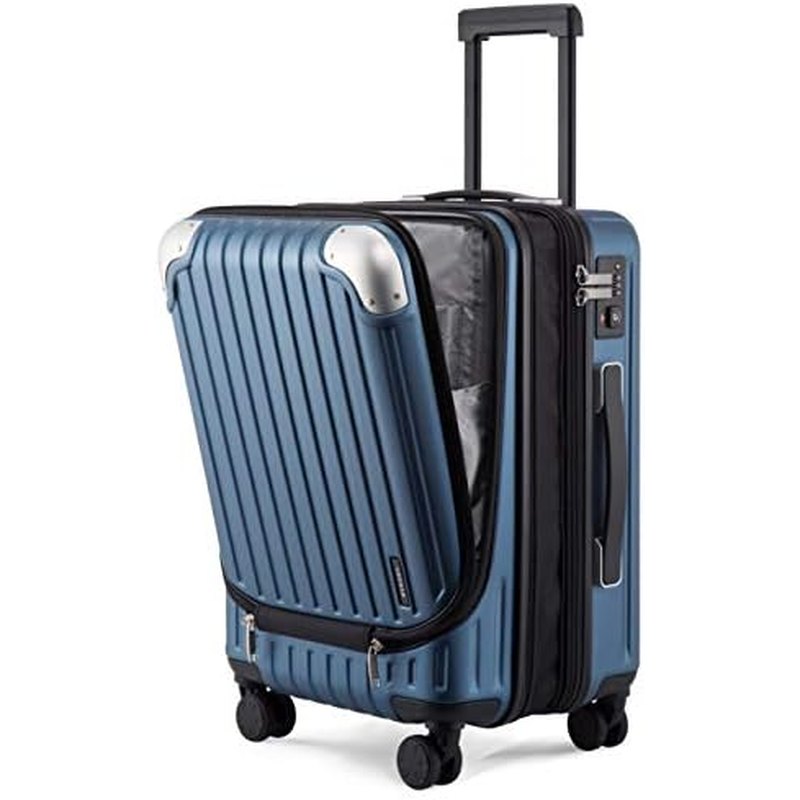
LEVEL8 Grace 20-Inch Expandable Carry-On
Sized to pass the 22 × 14 × 9 sizer with wheels included when zipped down, a textured hardshell that hides scuffs, a TSA lock, and the highest sales volume of anything we looked at in this price band.
20 in, airline carry-on sizeExpandableTSA lockSpinner wheels
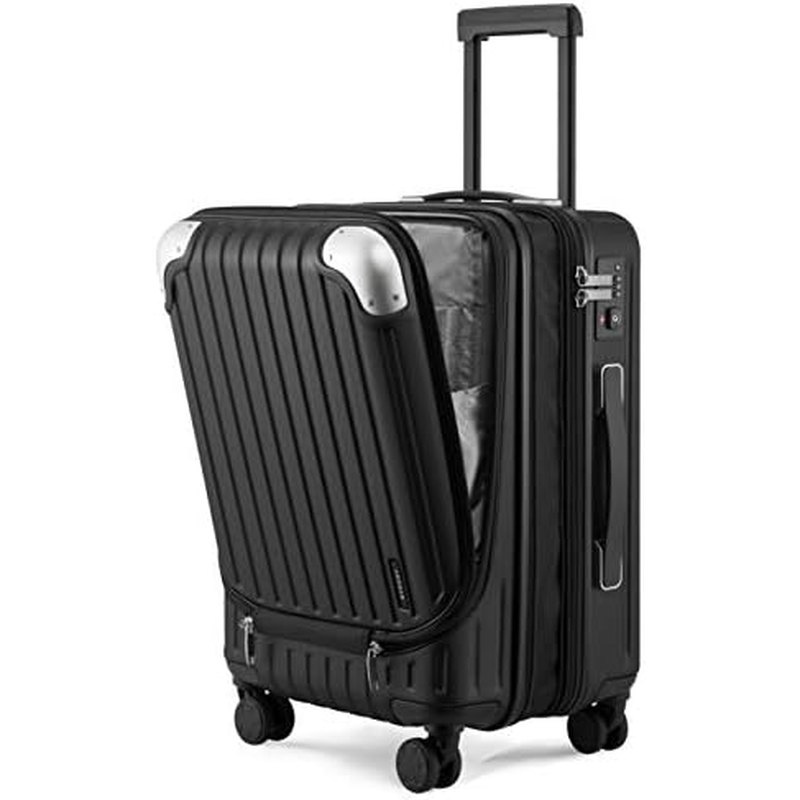
LEVEL8 Grace 20-Inch with Front Compartment
The same shell and size as the standard Grace with a zip-open front section for a laptop and in-flight things, so the clamshell stays shut at security. Ten dollars more and the one we'd take.
20 in, expandableFront laptop compartmentTSA lockSpinner wheels
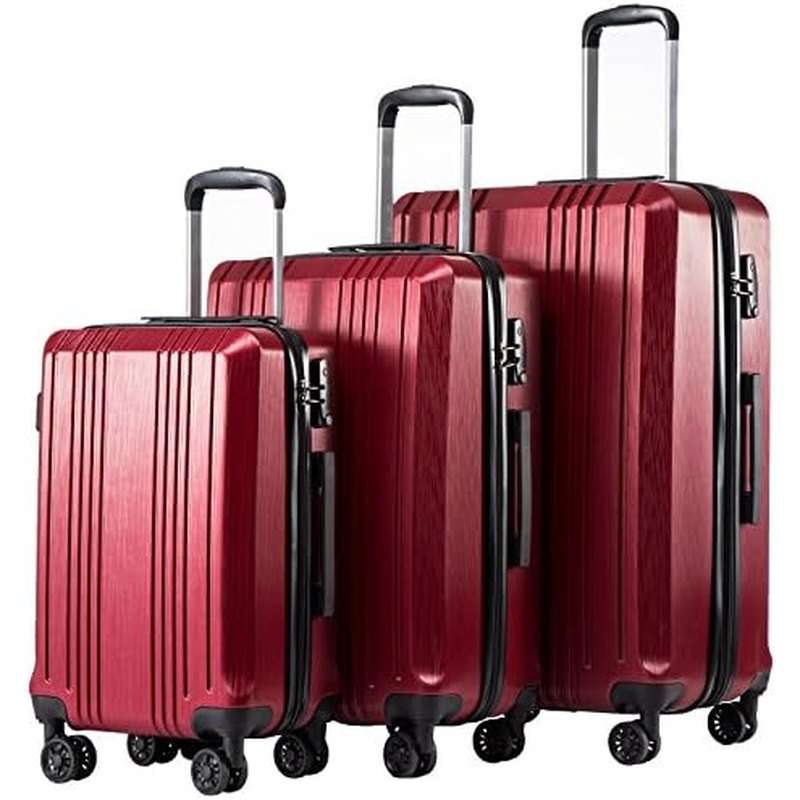
Coolife PC+ABS Hardshell 3-Piece Set (20/24/28 in)
A carry-on plus two checked bags with TSA locks and spinner wheels for the price of one premium carry-on; 4.6 stars across 7,300 reviews that praise value and note wheels wear after a few years.
20, 24 and 28 inPC+ABS shellTSA locksSpinner wheels
The only number that matters when you buy a carry-on is 22 by 14 by 9 inches, and the only trick is that it includes the wheels and the handle. That’s the size most major US carriers publish, and it’s what the metal sizer at the gate is built to. A bag sold as “20-inch” or “21-inch” is usually quoting its body height; add the wheels and it lands right around 22. A bag sold as “22-inch” often measures 23 or 24 overall, which is how people end up paying a gate-check fee for a bag they bought specifically to avoid one.
Beyond the size, three decisions cover almost everything: spinner wheels or two, hardshell or soft, and whether you want a front pocket for a laptop. We haven’t dropped these bags off a conveyor or rolled them a hundred miles. This is a spec comparison of about fifteen current carry-ons from LEVEL8, Coolife, Travelpro, Samsonite, Amazon Basics and Away, read against the long-term owner reviews — specifically the one- and two-star ones, because that’s where wheels, handles and zippers fail. Three of the bags below pay us a commission through our links; the Travelpro doesn’t, and we name it anyway.
Four bags at a glance
| Bag | Fits 22 × 14 × 9 | Shell | Wheels | Expandable | Price | Best for |
|---|---|---|---|---|---|---|
| LEVEL8 Grace 20-inch | Yes, zipped down | Hardshell | 4 spinners | Yes | $140 | Most domestic flyers |
| LEVEL8 Grace, front compartment | Yes, zipped down | Hardshell with front pocket | 4 spinners | Yes | $150 | Anyone who pulls a laptop out at security |
| Coolife 3-piece set | Carry-on piece yes; 24 and 28 get checked | PC+ABS blend | 4 spinners | Not listed | $120–$150 for all three | A household that needs the full set |
| Travelpro Maxlite 5 22-inch (not an affiliate link) | Yes | Softside | 2-wheel or spinner | Yes | about $150–$200 | Rough pavement, overstuffed bins |
The size rule, and the exceptions
Measure with wheels and handle included, and buy a bag that’s under the limit rather than at it. The LEVEL8 Grace is sold as “airline approved” in the 20-inch size, which is the honest way to label a bag that hits about 22 inches overall. Expansion zippers are the trap: the Grace expands for extra depth, and expanded it can exceed the 9-inch limit. Treat expansion as the trip-home feature and zip it back down before boarding.
The 22 × 14 × 9 rule is a US rule. Many European and budget carriers publish 55 × 40 × 20 cm (about 21.7 × 15.7 × 7.9 inches) and, more importantly, weigh carry-ons — often at 7 or 8 kg (15–18 pounds) all-in. If those airlines are a big part of your flying, a lighter, slightly slimmer bag is worth more than any feature. An empty hardshell in the 7-to-8-pound range eats half of a 15-pound allowance before you’ve packed a sock.
Your second bag counts too. Most US airlines allow a personal item around 18 × 14 × 8 inches under the seat; our daypack guide covers what fits that slot.
Spinners or two wheels
Four-wheel spinners roll upright beside you, which is effortless on terminal floors and in narrow aisles. Two-wheel rollers tilt and drag behind you on larger, recessed wheels. Spinners win the airport; two-wheelers win everything outside it — cobblestones, curb cuts, gravel parking lots — and their wheels sit inside the body where they don’t take the hits.
In the reviews we read, wheel failure is the single most common reason a still-good bag gets thrown out, and it’s almost always a small spinner wheel. Two things reduce the risk: double wheels at each corner (eight wheels total) rather than singles, and replaceable wheel assemblies. All three of our picks are spinners, which is what most people want for domestic flying. If your trips end on rough streets, the two-wheel Travelpro is the more durable choice, and it’s the one frequent flyers keep recommending in the comments.
Hardshell or soft, and what “PC+ABS” means
Hardshell luggage is polycarbonate (PC), ABS, or a blend. Polycarbonate flexes on impact and springs back; ABS is cheaper and lighter and can crack in the cold or after a hard drop. “PC+ABS,” as on the Coolife set, is a blend — tougher than pure ABS, not as resilient as pure polycarbonate — and it’s how a three-piece set gets to $120. Scratching is universal on glossy hardshells; textured finishes like the Grace’s hide it far better.
Softside bags in ballistic nylon or polyester squeeze into full overhead bins, add exterior pockets, and weigh less. They protect breakables less and absorb rain. The Travelpro Maxlite is the softside standard: light, expandable, and built for people who live in airports.
What we’d buy
For most domestic flyers: the LEVEL8 Grace 20-inch expandable ($140). Right-sized for the sizer when zipped down, a TSA lock, a textured hardshell, and a 4.5-star average. Amazon reports 800-plus sold in the past month, the highest volume of anything we looked at in this price band. One thing to know: the two Grace variants share a review listing (about 6,100 reviews between them), so read the reviews knowing they cover both.
If you pull a laptop out at security: the LEVEL8 Grace with front compartment ($150). The same shell and size with a zip-open front section for a laptop, a tablet and the things you need in flight. It’s ten dollars more and it’s the one we’d personally take; not having to open the clamshell in the security line is worth it on every trip. The front pocket does mean a little less depth in the main compartment.
If you need a whole set: the Coolife PC+ABS 3-piece ($120–$150). Twenty-, 24- and 28-inch spinners with TSA locks for what one premium carry-on costs. That works out to about $40 a bag, and the blend shell and price reflect it — the reviews (4.6 stars across 7,300) are strong on value and weaker on longevity, with wheels and handles the usual complaint after a couple of years. For a family that flies twice a year, that math still works.
The bag we’d buy elsewhere: the Travelpro Maxlite 5 22-inch, typically $150–$200, not an affiliate link. Softside, under six pounds empty in the two-wheel version, expandable, and backed by a long warranty on wheels and handles. If you fly weekly or your trips involve trains and cobblestones, it’s the better bag, and it earns us nothing.
The parts that actually break
Shell material gets all the attention; the failures are elsewhere. Pull the telescoping handle fully out and wobble it — an inch of play when new becomes a jammed handle in a year. Look for large coil zippers, ideally from a named maker (YKK is the usual), because a zipper that splits is the second most common complaint after wheels. Check the corner guards on hardshells; that’s where cracks start. And read the warranty before the features: multi-year coverage on wheels, handles and zippers is the clearest signal a maker expects the bag to survive.
Skip the gadgets. USB ports need a battery that often has to come out at security anyway, and built-in scales and phone mounts are more failure points on a thing that gets thrown into bins for a living.
FAQ
Will a 20-inch bag really pass as a carry-on everywhere?
On US majors, yes, if the overall dimensions with wheels are under 22 × 14 × 9 and it’s zipped down. On European budget carriers, check the weight limit; the size is usually fine but a 7 kg cap is not.
Is a three-piece set a bad idea?
Not if you’ll use all three. Sets are cheaper per bag because the shells are simpler; the carry-on piece will be heavier and less refined than a standalone $140 bag. If you only ever fly with a carry-on, buy the carry-on.
Hardshell or softside for a laptop?
Softside bags have always had front pockets, which is why laptop travelers stuck with them. The LEVEL8 front-compartment model is the hardshell answer to that. If you fly with fragile gear or in wet weather, the hardshell is the safer choice; if bins are always full on your routes, the softside squeezes in.
The bottom line
Most domestic flyers should buy the LEVEL8 Grace 20-inch, and pay the extra $10 for the front-compartment version if a laptop comes out of the bag at security. A household that needs three bags gets the Coolife set for the price of one premium carry-on. Weekly flyers whose trips end on cobblestones: the two-wheel Travelpro Maxlite 5 (not an affiliate link).
What we like
- Buying the 20-inch class rather than a bag sold as 22 inches is the simplest way to guarantee it fits the sizer with wheels included
- A front laptop compartment on a hardshell (the LEVEL8 Grace) removes the one reason laptop travelers stayed with softside bags
- A three-piece PC+ABS set costs about what one premium carry-on does, if you actually need three bags
What to watch
- Small spinner wheels are the most common failure in luggage reviews; two-wheel bags survive rough pavement better
- Expanded, most expandable carry-ons exceed the 9-inch depth limit; zip down before boarding
- The two LEVEL8 Grace variants share one review listing, so the 4.5-star rating covers both models
Junjie Li
Junjie researches and writes every guide on this site. No lab and no sponsors: manufacturer specs, long-term owner reviews and professional test results, then a straight answer on what to buy for each situation.