Sneakers for Standing All Day: The Four Things That Matter (and the Shoes Nurses and Baristas Actually Buy)
Cushioning, a wide toe box, a stable heel and a sole you can replace before it hurts you — that's the whole list. Here's how each one works, which running shoes moonlight as standing shoes, and one wide-toe-box pick.

Our picks
Prices checked September 4, 2026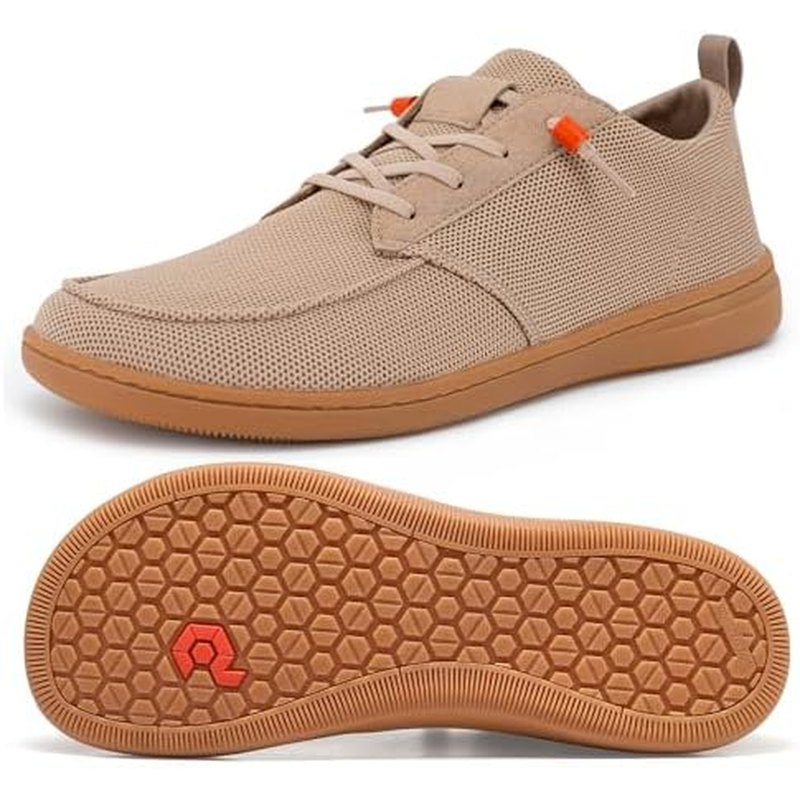
Pulltop Men's Barefoot Wide-Toe-Box Shoes
A minimalist, zero-drop shoe with a genuinely wide forefoot — the opposite approach to a cushioned Hoka. For people whose standing pain is toe cramping or bunion pressure rather than heel fatigue, the room up front matters more than foam. Not for concrete floors all day if you're new to flat shoes; ease in.
Wide toe boxZero dropFlexible soleLightweight
Standing for a shift is harder on the body than walking for the same time. Walking pumps blood back up the legs and spreads load across the foot; standing loads the same few square inches of heel and forefoot, hour after hour, on a surface that gives nothing back. The shoe’s job is to give something back — and to stop the foot from collapsing inward while it does.
We read the long-term reviews of two dozen shoes that nurses, teachers, retail staff, cooks and baristas actually name in forums and reviews, cross-checked with what podiatrists recommend, and boiled the whole subject down to four features. Brand matters less than any of them.
The four things that matter
| Feature | What it does | What to look for |
|---|---|---|
| Cushioning | Absorbs the impact of your body weight on a hard floor, thousands of times a day | A thick, resilient foam midsole; “max cushion” running shoes are the benchmark |
| Toe box width | Lets toes spread as the foot swells through the day — and it does swell | Room to wiggle all toes at the end of a shift; a wide (2E / D-wide) option if you’re between |
| Heel stability | Stops the ankle rolling inward on a soft midsole | A firm heel counter you can’t squash with a thumb |
| Outsole | Grip on wet or greasy floors; durability | Slip-resistant rating if you work in a kitchen or hospital; a sole thick enough to wear before the foam does |
Two things that don’t make the list: weight (a few ounces don’t matter when you’re not running) and arch support (most people don’t need it; those who do know already, and an insole handles it).
Cushioning: the running-shoe crossover
The best standing shoes for most people are running shoes, specifically the “max cushion” category built for long, slow miles. That’s not a marketing accident: a shoe designed to absorb 40,000 foot strikes on a long run absorbs a standing shift just as well. The recurring names in nurse and teacher reviews are the Hoka Bondi, the Brooks Ghost and the New Balance 990 (none affiliate links). The Bondi is the softest; the Ghost is a bit firmer and more stable; the 990 is the classic wide-fit choice with a firmer ride.
Softer is not always better. Very soft midsoles feel wonderful for the first week and can leave people with flat or flexible feet aching by week three because the foot sinks and rolls. If that’s you, a firmer max-cushion shoe (the Ghost or 990) or a stability version (Hoka Arahi) fixes it.
The wide toe box: a different theory
There’s a second school, and it’s worth knowing about because it helps a specific group of people. Minimalist, “barefoot” shoes have almost no cushioning, a flat (zero-drop) sole, and a very wide forefoot. The argument is that a foot allowed to spread and flex gets stronger and stops hurting; the counter-argument is that concrete doesn’t care how strong your foot is.
Where this approach reliably helps is with forefoot problems: toes going numb by mid-afternoon, cramping, bunion pressure, the feeling of the foot being squeezed. No amount of heel foam fixes that; width does. The Pulltop barefoot wide-toe-box shoe is the cheap way to test the idea — about $35, a genuinely wide forefoot, and a flexible zero-drop sole. Owners with toe pain report relief; owners who expected Hoka-style softness are disappointed. Ease into flat shoes over a couple of weeks rather than wearing them for a full shift on day one.
For a wide toe box with cushioning, look at Altra’s Torin or Topo’s Ultrafly (not affiliate links) — they’re the compromise position, and they’re what podiatrists often suggest for wide-footed nurses.
Fit: buy at the end of the day, half a size up
Feet swell over a shift — often half a size. Try shoes on in the evening, standing, with the socks you’ll wear. There should be a thumb’s width in front of the longest toe and no pressure on the sides of the forefoot. Most people who stand all day end up half a size larger than their dress shoe.
If you’re between widths, take the wider one. If a brand offers a wide version, that’s usually the one to buy for standing.
Replacement and rotation
Foam compresses. A running shoe is considered worn at 300 to 500 miles; a standing shift covers less distance but compresses the foam under constant load, and most people find their standing shoes are done in six to nine months. The signs: heel ache returns, the midsole shows deep creases, the shoe rocks when pressed on a table.
Two habits extend that: rotate two pairs so foam recovers overnight (it genuinely does), and replace the insole halfway through the shoe’s life — a fresh insole restores some of the feel for a few dollars.
If you work in a kitchen or hospital
Slip resistance is a certified property (look for “slip-resistant” or the ASTM F2913 test), not a feel. Most fashion sneakers don’t have it. Brands like Skechers Work, Shoes for Crews and Crocs’ work range (not affiliate links) do, and several running brands sell slip-resistant versions of their max-cushion shoes for exactly this market.
FAQ
Are Hokas really that different from normal sneakers?
For standing on hard floors, yes — the midsole is roughly twice as thick as a fashion sneaker’s and the foam is designed to rebound rather than pack down. They look odd; owners stop caring by week two.
Should I buy insoles?
Not first. A well-fitting max-cushion shoe rarely needs them. If your feet still ache after two weeks, a firm insole (not a soft gel one) can help with arch fatigue.
Can I wear running shoes to a job with a dress code?
Black-on-black versions of the Ghost, Bondi and 990 pass most “closed-toe, dark shoe” codes. The Pulltop is available in plain black too.
How do I know if I need stability?
Look at the wear on your current shoes. Heavy wear on the inner edge of the heel suggests your foot rolls inward, and a stability shoe or firmer midsole will help.
The bottom line
For eight hours on concrete, most people should start with a max-cushion running shoe — the Hoka Bondi or Brooks Ghost (not affiliate links) — in a half size up. If your problem is toe pressure or cramping rather than heel and knee ache, the Pulltop wide-toe-box shoe is the cheap experiment worth running. Whatever you buy, buy two pairs and alternate.
What we like
- Maximal cushioning (Hoka-style) measurably reduces heel and knee fatigue on hard floors
- A wide toe box fixes the numbness and cramping that a padded midsole can't
- Rotating two pairs roughly doubles the life of each and lets foam recover between shifts
What to watch
- Running shoes wear out as standing shoes too — foam compresses after 300–500 miles of wear whether you run or stand
- Very soft shoes feel great for a week and can aggravate feet that need stability; try before a full shift
- Slip-resistant outsoles (needed in kitchens and hospitals) are a separate spec most fashion sneakers don't meet
Junjie Li
Junjie researches and writes every guide on this site. No lab and no sponsors: manufacturer specs, long-term owner reviews and professional test results, then a straight answer on what to buy for each situation.