A Skincare Routine in Three Steps: What Dermatologists Actually Agree On (and Three Products We'd Buy)
Cleanse, moisturize, sunscreen — in that order, every day. Everything else is optional. Here's what each step does, what to ignore, and the sunscreen and serums we'd put in a starter routine.


Our picks
Prices checked September 4, 2026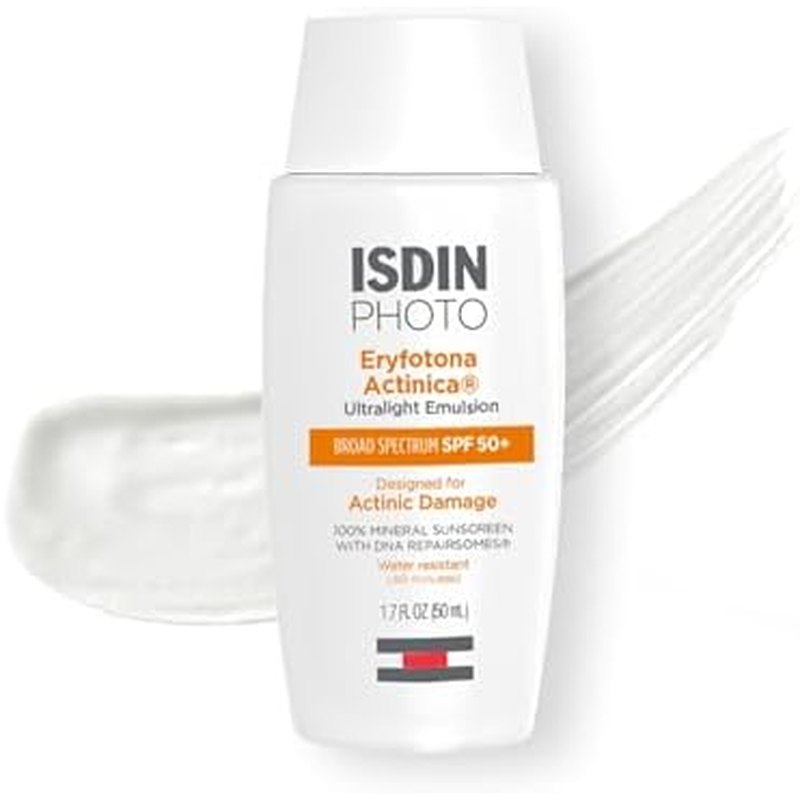
ISDIN Eryfotona Actinica Mineral Sunscreen SPF 50
A zinc-oxide mineral sunscreen that goes on like a lotion and leaves no white cast on most skin tones — the two reasons people stop wearing mineral SPF. Lightweight enough to wear under makeup. This is the step that does more for your skin than everything else combined.
SPF 50 mineralZinc oxideNo white castFragrance-free
grace & stella Hyaluronic Acid Serum (1 fl oz)
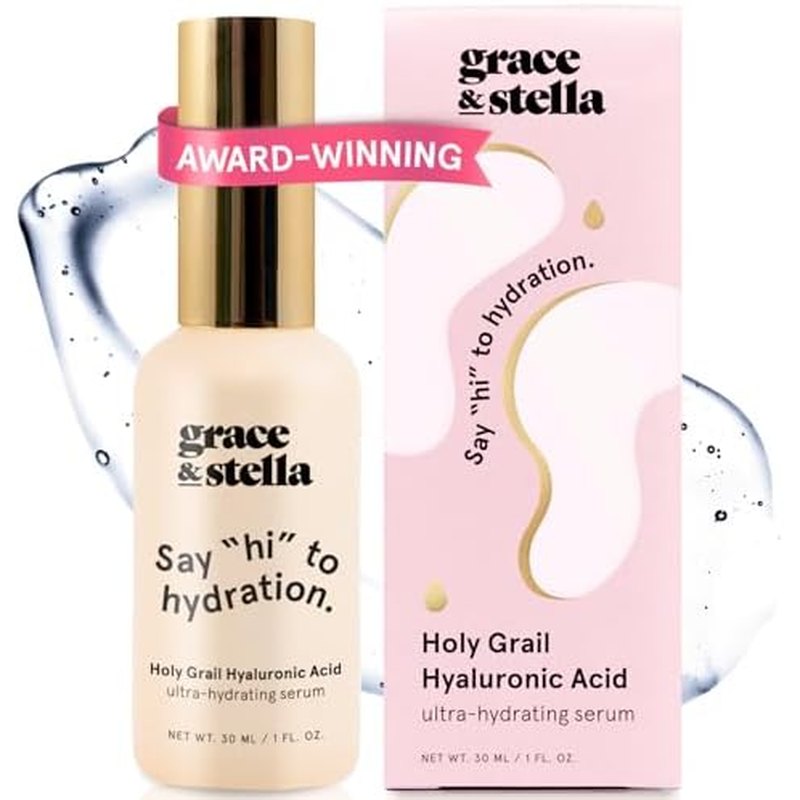
A plain hyaluronic acid serum for under $15. Hyaluronic acid pulls water into the skin's surface; applied to damp skin under a moisturizer it takes the edge off dryness without doing anything dramatic. Exactly what a beginner serum should be.
Hyaluronic acid1 fl ozFragrance-freeLayers under moisturizer
ISDIN Isdinceutics Hyaluronic Concentrate
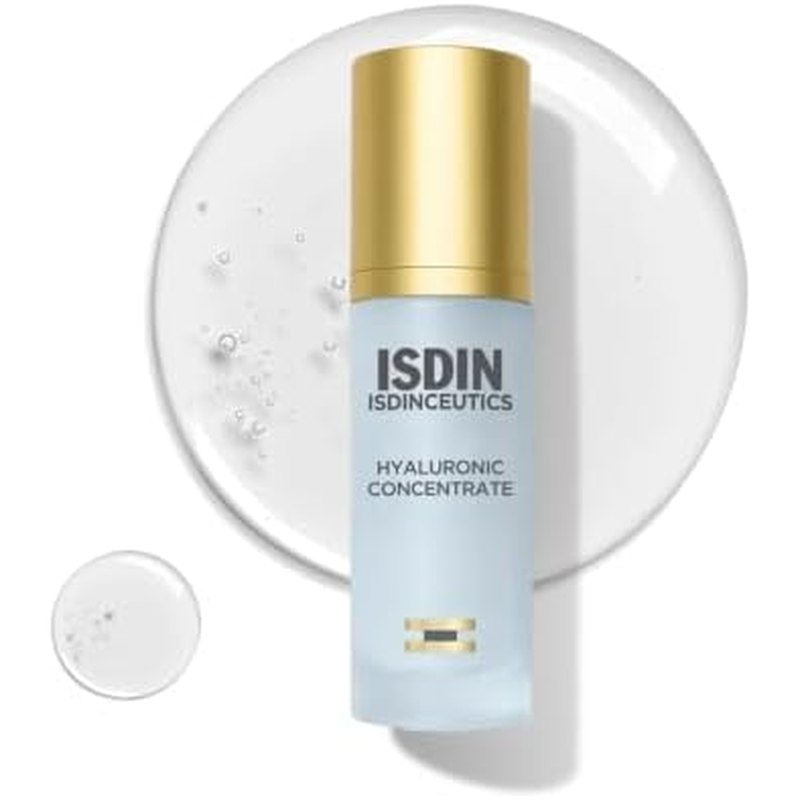
The same idea — hyaluronic hydration — in a more elegant, faster-absorbing formula, with a 4.7-star average across 6,000+ reviews. Nice, not necessary. Buy it if the $13 serum feels sticky on your skin and you can afford to care.
Hyaluronic acid1 fl ozLightweight textureFor all skin types
The skincare aisle is designed to make you feel you’re missing a step. You are almost certainly not. Dermatologists disagree about plenty, but on the basics there’s an unusual amount of consensus: cleanse gently, moisturize, wear sunscreen every day. Everything after that — serums, acids, retinoids, eye creams — is optional, and the order you add them matters more than the brands.
This guide is written for someone who wants a routine that works and takes four minutes. We read the published guidance from the American Academy of Dermatology, cross-checked ingredient claims against what’s actually supported, and then went through owner reviews of the entry-level products in each category to find the ones people keep repurchasing. We are not doctors; if you have acne, rosacea, eczema or a reaction to anything, a dermatologist beats any article.
The routine
| Step | Morning | Night | Why |
|---|---|---|---|
| 1. Cleanse | Gentle cleanser or just water | Gentle cleanser | Removes sunscreen, oil and the day; harsh cleansers strip the skin barrier |
| 2. (Optional) Serum | Hyaluronic acid on damp skin | Hyaluronic acid on damp skin | Holds water at the surface; the safest first “extra” |
| 3. Moisturize | Light moisturizer | Moisturizer | Supports the barrier; even oily skin needs one |
| 4. Sunscreen | SPF 30+, every day, last step | — | The step with the strongest evidence behind it |
Total time: about two minutes in the morning, one at night.
Step 1: cleanse, gently
The job of a cleanser is to remove what’s on your face without removing what’s in it. That rules out anything that leaves your skin feeling “squeaky” — that tightness is stripped barrier, not cleanliness. Look for the words “gentle” or “hydrating,” no fragrance, and a texture (cream or gel) that matches your skin: cream for dry, gel for oily. CeraVe Hydrating Cleanser and La Roche-Posay Toleriane (not affiliate links) are the two dermatologist staples at drugstore prices, and there’s no reason to spend more.
If you don’t wear makeup or sunscreen at night — you should wear sunscreen — a rinse with water in the morning is enough.
Step 2 (optional): a hyaluronic acid serum
If you add one thing to the three basics, make it a plain hyaluronic acid serum. Hyaluronic acid is a humectant: it binds water and holds it at the skin’s surface, so skin looks and feels plumper and less tight. It doesn’t exfoliate, doesn’t irritate, and layers under anything.
Two rules make it work. Apply it to damp skin — it needs water to pull in — and follow it with a moisturizer to seal it. Applied to dry skin in a dry room it can pull moisture out, which is why some people find it makes them feel drier.
The grace & stella hyaluronic serum at around $13 is exactly what a starter serum should be: a simple formula, no fragrance, a bottle that lasts two months. The ISDIN Isdinceutics Hyaluronic Concentrate is the premium version of the same idea — a lighter, faster-absorbing texture that 6,000-plus reviewers rate at 4.7 stars. It costs nine times as much. It is nicer. It is not nine times better. Start with the cheap one; upgrade if the texture bothers you.
Step 3: moisturize
Moisturizer supports the barrier that keeps water in and irritants out. Everyone needs one, including people with oily skin, who should pick a gel or “oil-free” lotion. Look for ceramides, glycerin or squalane on the label; those are the ingredients doing the work. Fragrance-free is a good default. CeraVe, Cetaphil, Vanicream and Neutrogena Hydro Boost (none affiliate links) are the usual recommendations for a reason: they’re boring and they work.
Step 4: sunscreen, every morning, last
If you take one thing from this guide: wear SPF 30 or higher every day, including cloudy days and days you’re indoors near windows. UV exposure is the main driver of visible skin aging and of skin cancer risk, and sunscreen is the only step in a routine with that level of evidence behind it.
Sunscreens come in two families. Chemical filters absorb UV; they’re usually thinner and disappear on skin but can sting eyes and irritate sensitive skin. Mineral (zinc oxide, titanium dioxide) filters sit on the surface and reflect UV; they’re gentler but historically left a white cast, especially on medium and deep skin tones.
The ISDIN Eryfotona Actinica SPF 50 is a mineral sunscreen that mostly solves the cast problem — “no white cast” is the phrase that recurs across its 5,600-plus reviews — and it applies like a light lotion rather than a paste. It’s the sunscreen we’d put in a starter routine because the main reason people stop wearing sunscreen is that they hate how it feels, and this one gets past that. If it’s more than you want to spend, La Roche-Posay Anthelios (not an affiliate link) is the drugstore chemical alternative most dermatologists name.
How much: about a quarter teaspoon for the face — more than most people use. Reapply if you’re outdoors for more than two hours.
What to leave out for now
Retinol / retinoids. The best-supported active for texture and fine lines, and also the most likely to cause peeling and redness if you start too strong or too often. Add it after eight weeks on the basics, two nights a week, and only at night.
Vitamin C. Reasonable evidence, notoriously unstable, and many formulas irritate. Not a beginner step.
Exfoliating acids (AHA/BHA). Useful for congestion; overused they wreck the barrier. Once or twice a week, later.
Eye creams, toners, essences, face mists. Mostly moisturizer in a smaller, more expensive jar.
The routine in the table above, done daily for two months, will do more than any of these added on day one.
FAQ
Do I need to double cleanse?
Only if you wear heavy makeup or a very water-resistant sunscreen. For most people one gentle cleanse at night is enough.
Can I skip moisturizer if my skin is oily?
No. Skipping it often makes oily skin produce more oil. Use a lightweight gel formula instead.
Is SPF 50 much better than SPF 30?
SPF 30 blocks about 97% of UVB, SPF 50 about 98%. The bigger difference is how much you apply and whether you reapply. Buy the one you’ll wear.
How long before I see a difference?
Hydration changes show within days. Texture and tone changes from consistent sunscreen and moisturizer take six to twelve weeks. Anything promising faster is selling you something.
The bottom line
Morning: gentle cleanser, moisturizer, ISDIN SPF 50. Night: cleanser, moisturizer. That's the routine. If your skin feels tight, add the grace & stella hyaluronic serum on damp skin before moisturizer. Do that for eight weeks before you buy anything with retinol or acids in it.
What we like
- Three steps is a routine you'll actually do twice a day; ten steps is a routine you'll do for a month
- Daily SPF is the single intervention with strong evidence behind it for both aging and skin cancer risk
- A basic hyaluronic serum is cheap, low-risk and the right first 'extra' step if you want one
What to watch
- Actives like retinol, vitamin C and acids can genuinely help — but introduced all at once they irritate, and irritation is the most common reason routines fail
- Mineral sunscreens are gentler but can leave a cast on deeper skin tones; test before you commit to a full bottle
- Words like clean, natural and dermatologist-tested on a label are marketing terms with no regulated meaning
Junjie Li
Junjie researches and writes every guide on this site. No lab and no sponsors: manufacturer specs, long-term owner reviews and professional test results, then a straight answer on what to buy for each situation.