Noise-Cancelling Headphones vs. Earbuds: Which One Fits Your Day (and Three Under $60 We'd Buy)
Over-ears cancel more noise and last longer per charge; earbuds disappear into a pocket and work at the gym. Here's how to choose by where you'll actually wear them, and the three budget picks that punch above their price.

Our picks
Prices checked September 4, 2026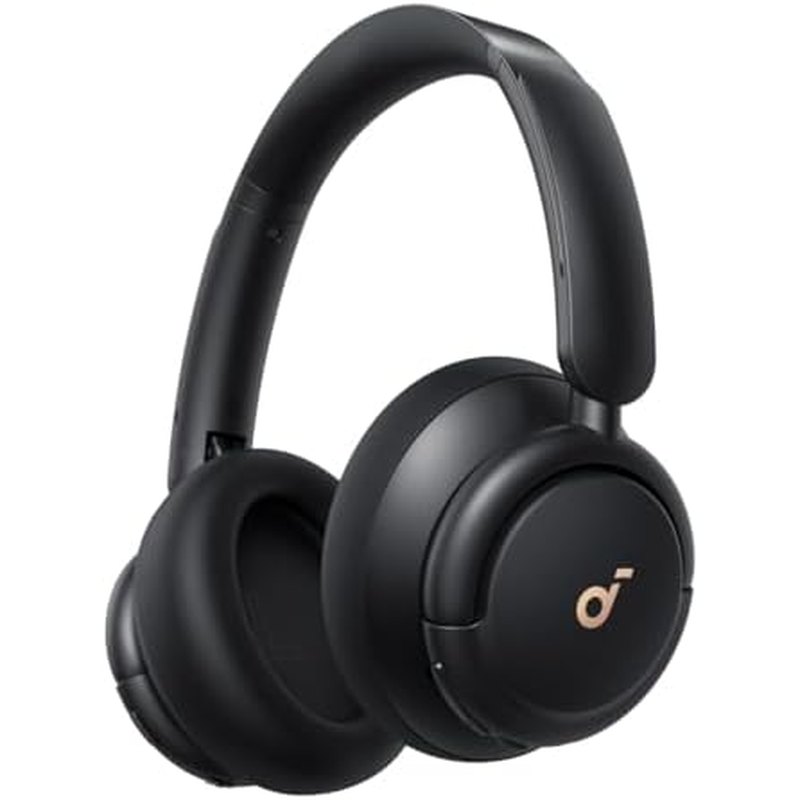
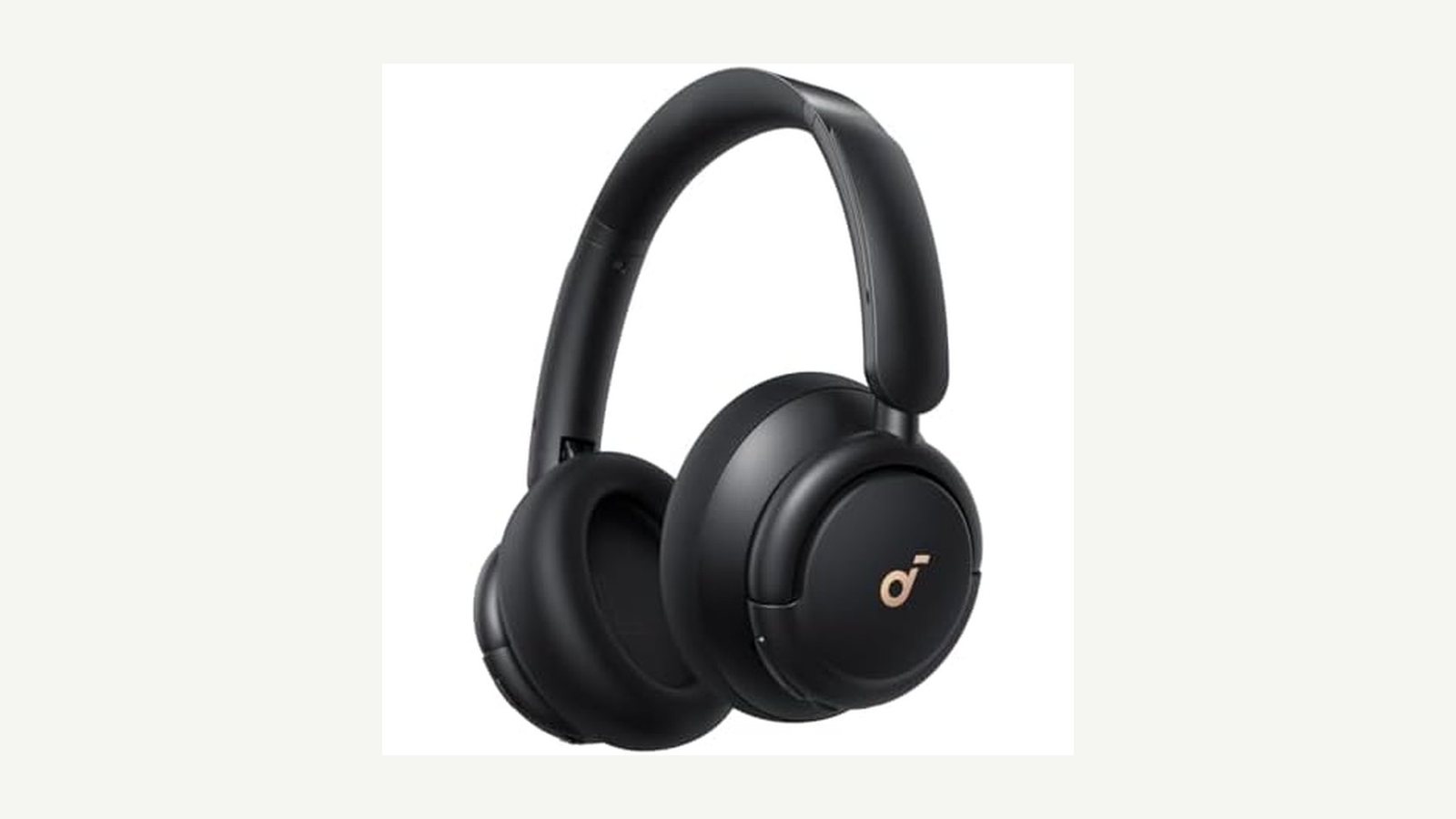
Soundcore by Anker Q30 (over-ear ANC)
Hybrid active noise cancelling, around 40 hours per charge with ANC on, and a comfortable clamp for long flights — at a fraction of the price of the Sony and Bose flagships. 4.4 stars across 97,000+ reviews; the recurring complaint is that the sound is bass-heavy out of the box, which the app EQ fixes.
Hybrid ANC~40 h with ANCMultipoint BluetoothFoldable
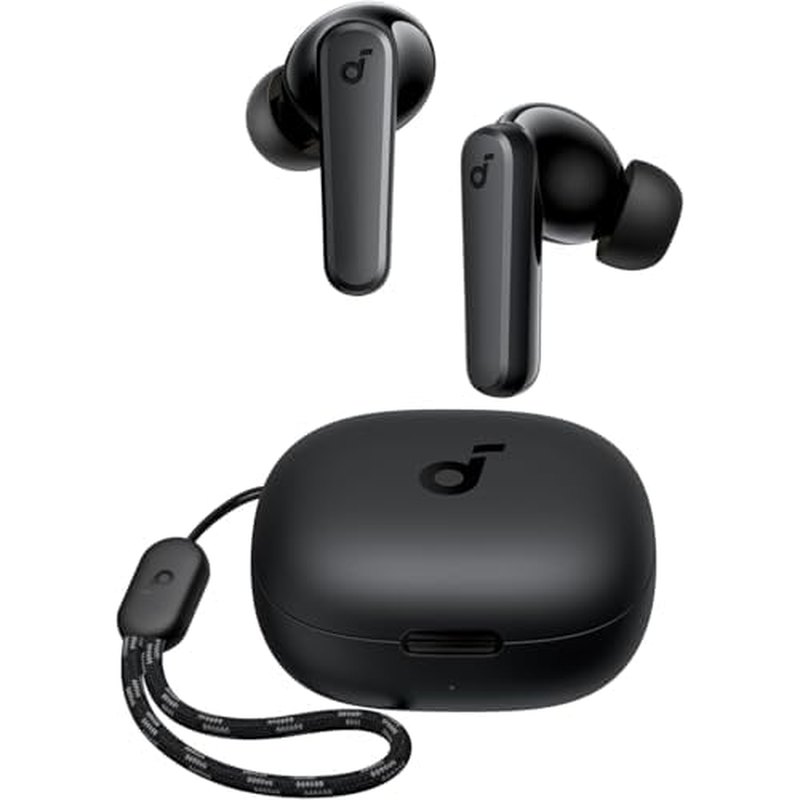
Soundcore by Anker P20i (true wireless)
No active noise cancelling, but a snug seal that blocks a surprising amount on its own, 30 hours total with the case, and an app with a proper EQ. The most-reviewed earbuds in their class for a reason: they simply work.
Passive isolation30 h totalApp EQIPX5
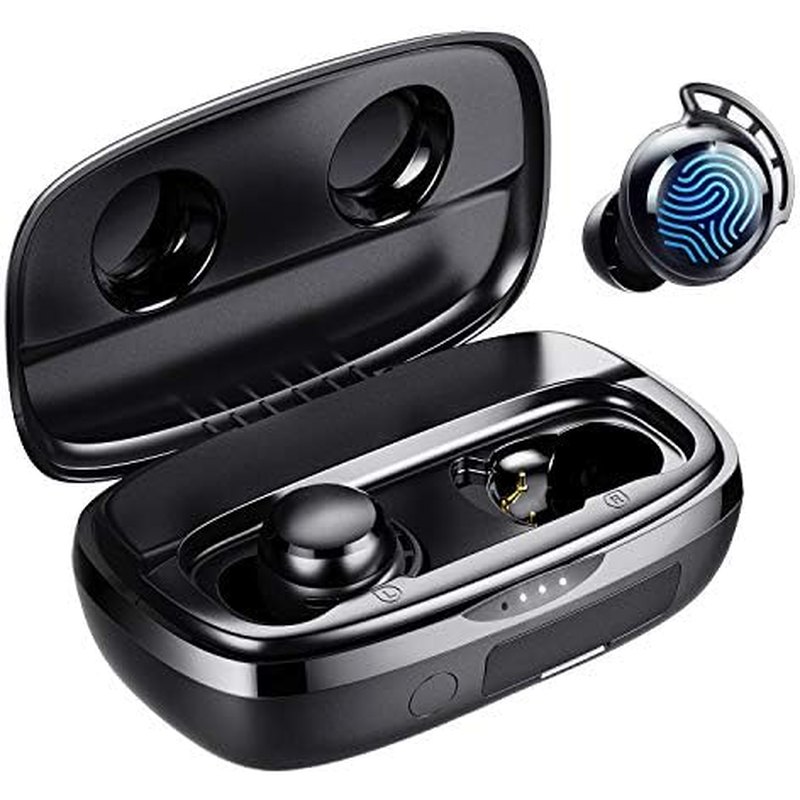
Tribit FlyBuds 3
A charging case that holds around 100 hours of extra playtime — enough to forget the charger for a week — plus a physical button rather than touch controls, which owners with sweaty hands prefer. Sound is clear rather than exciting.
~110 h totalPhysical buttonsIPX8 budsCase doubles as power bank
The headphones-versus-earbuds question gets argued as if it were about sound quality. It isn’t. At any given price, over-ear headphones will cancel more noise and sound a bit fuller, and earbuds will be the ones in your pocket when you need them. The right choice depends almost entirely on where you’ll wear them, and for a lot of people the honest answer is one of each — which the budget tier now makes affordable.
We compared the spec sheets of eighteen current models under $150, read long-term owner reviews for the two things that actually kill headphones (battery fade and hinge or case failures), and cross-checked noise-cancelling claims against RTINGS’ measured results where they exist. Three picks came out of it, all under $60, plus a clear line on when to spend more.
Where you’ll wear them decides the form factor
| Situation | Better choice | Why |
|---|---|---|
| Flights, trains, buses | Over-ear with ANC | Low-frequency engine drone is exactly what ANC is best at; big ear cups block more on their own; 30–40 h battery covers a long-haul day |
| Open-plan office | Over-ear | Voices are the hardest sound to cancel; passive isolation from a sealed cup matters more than ANC here |
| Gym, running, cycling | Earbuds | Sweat, movement, heat; over-ears slip and get hot |
| Errands, walking, calls | Earbuds | You’ll have them with you; a case in a pocket beats a headband in a bag |
| Working from home | Either | Comfort over hours wins — try both on |
What noise cancelling can and can’t do
Active noise cancelling (ANC) works by listening to outside sound and playing the inverse. It is very good at steady, low-pitched noise — aircraft engines, air conditioning, road hum — and much weaker at irregular, high-pitched sound: voices, clattering keyboards, a barking dog. Expensive ANC handles the middle range better; cheap ANC barely touches it.
This is why over-ear headphones win for noise even at the budget end. The cup itself blocks a lot of sound before the electronics do anything. A $60 over-ear with mediocre ANC often ends up quieter than a $150 earbud with good ANC, simply because of the seal.
For earbuds, the seal is the ANC. A tip that fits your ear canal snugly blocks more than the electronics add. Budget earbuds without ANC but with a good seal — the P20i below — are quieter than poorly fitting earbuds that have it.
Our picks
Soundcore Q30 (over-ear). The best-known budget ANC headphone, and deservedly. It has hybrid ANC with three modes (transport, indoor, outdoor), about 40 hours of playback with ANC on, a fold-flat design and multipoint Bluetooth so it stays connected to a laptop and a phone at once. Across 97,000-plus reviews the pattern is consistent: comfortable for long sessions, ANC that handles planes and trains well, and a default sound tuned for bass that most people tame in the app EQ. The clamping force is moderate, which is good for glasses wearers. It is not a Sony or a Bose; it costs a fifth as much and gets you most of the way.
Soundcore P20i (earbuds). No ANC, and we’d still pick them as a budget everyday earbud, because the seal is good and 30 hours total battery is plenty. They pair instantly, they have a real EQ, and they’re rated IPX5 for sweat. With 114,000-plus reviews they are among the most widely owned earbuds on Amazon, which means the failure modes are well documented — mainly that the case hinge feels cheap. At $40 that’s acceptable.
Tribit FlyBuds 3 (earbuds). The battery pick. The case stores roughly 100 hours of extra charge, which means a week or two between plugging in, and it can charge a phone in a pinch. Controls are physical buttons rather than touch — a real advantage in rain or with sweaty hands — and the buds themselves are rated IPX8. Sound is clean and neutral rather than punchy. If you forget to charge things, this is the one.
When to spend more
Above about $150 you’re paying for three things: ANC that handles voices noticeably better, sound that’s clearly more detailed, and transparency modes good enough to hold a conversation without removing anything. The Sony WH-1000XM5 (over-ear) and Apple AirPods Pro (earbuds) — neither an affiliate link — are the reference points. If you fly weekly or work in a noisy office all day, the upgrade is worth it. If you commute twice a week and hit the gym, it isn’t, and a Q30 plus a P20i for a combined $100 covers both jobs better than one $300 pair.
Comfort, glasses and hot ears
Over-ear comfort comes down to clamp force, pad depth and weight. Glasses wearers should look for softer, deeper pads — the Q30’s are adequate, the Sony’s are better. Anyone in a warm climate should know that all closed-back over-ears get hot; that’s physics, not a defect, and earbuds are the fix.
For earbuds, try all the included tip sizes, and try a size larger than feels natural — most people underestimate. If buds still fall out, foam tips (a few dollars a set) grip better than silicone.
FAQ
Does ANC damage hearing or cause pressure?
It doesn’t damage hearing. A minority of people feel a slight “pressure” sensation with strong ANC, especially on cheaper implementations; it fades for most and is a reason to try before committing to a $300 pair.
How long do earbud batteries last?
Two to three years of daily use before playtime drops noticeably. Small cells cycle more often. Over-ears with bigger batteries last longer.
Wired or wireless?
Wireless for everything except critical listening at a desk. Nearly all budget over-ears, including the Q30, also accept a 3.5 mm cable for a plane’s entertainment system.
Multipoint — do I need it?
If you switch between a laptop and a phone during the day, yes; it saves re-pairing constantly. The Q30 has it; most budget earbuds don’t.
The bottom line
Commuting, flying, working near a loud appliance: the Soundcore Q30, because over-ear ANC beats earbud ANC at any price and the Q30 does it for $60. Gym, walking, errands: the P20i for value or the Tribit FlyBuds 3 if you never want to think about charging. If you want one pair for everything and can spend $250+, the Sony WH-1000XM5 or AirPods Pro (not affiliate links) are the answer — but most people are better served by a cheap pair of each.
What we like
- Over-ear headphones cancel more low-frequency noise (engines, HVAC) than any earbud at the same price
- Earbuds are the ones you'll actually have with you — pocketability beats spec sheets
- The $40–$60 tier now includes genuine ANC, 30–40 h batteries and app EQ that were $200 features five years ago
What to watch
- Cheap ANC handles steady hum well and voices badly; if your problem is a chatty office, no budget model will fix it
- Earbud batteries degrade fastest of any gadget you own — expect two to three years, not five
- Over-ears are hot in summer and awkward at the gym; earbuds fall out of some ears whatever the tip
Junjie Li
Junjie researches and writes every guide on this site. No lab and no sponsors: manufacturer specs, long-term owner reviews and professional test results, then a straight answer on what to buy for each situation.