Linkind Solar Lights: Which Spotlights and Pathway Lights to Buy (and Which Pack Size)
Linkind's solar spotlights have 15,000 reviews and come in warm white, cool white, RGB and app-controlled versions, in 2-, 4- and 6-packs. Here's which one lights what, and how many you need.

Our picks
Prices checked September 7, 2026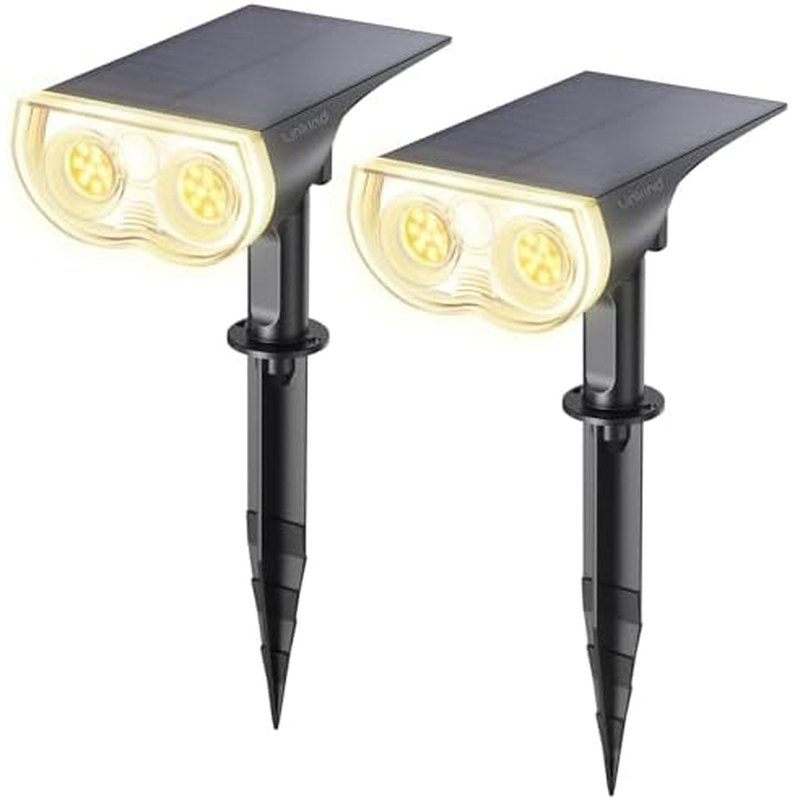
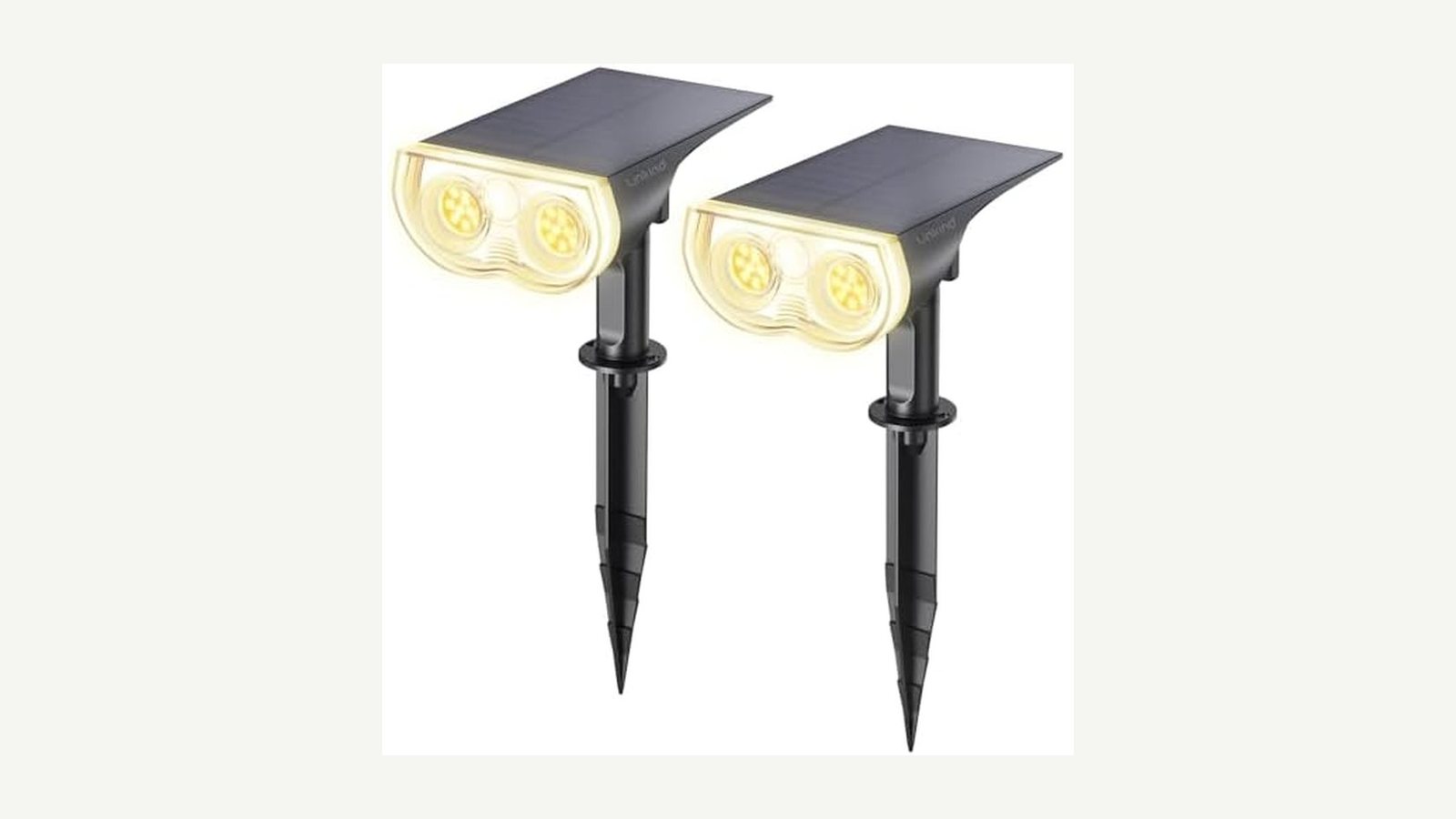
Linkind Solar Spotlights, Warm White, 2-Pack
The plain warm-white version of Linkind's best-selling spotlight: stake or wall mount, adjustable head, dusk-to-dawn. 4.4 stars across 15,000+ reviews. Two lights cover a tree, a house number or a front step.
Warm white2 lightsStake or wall mountDusk-to-dawn
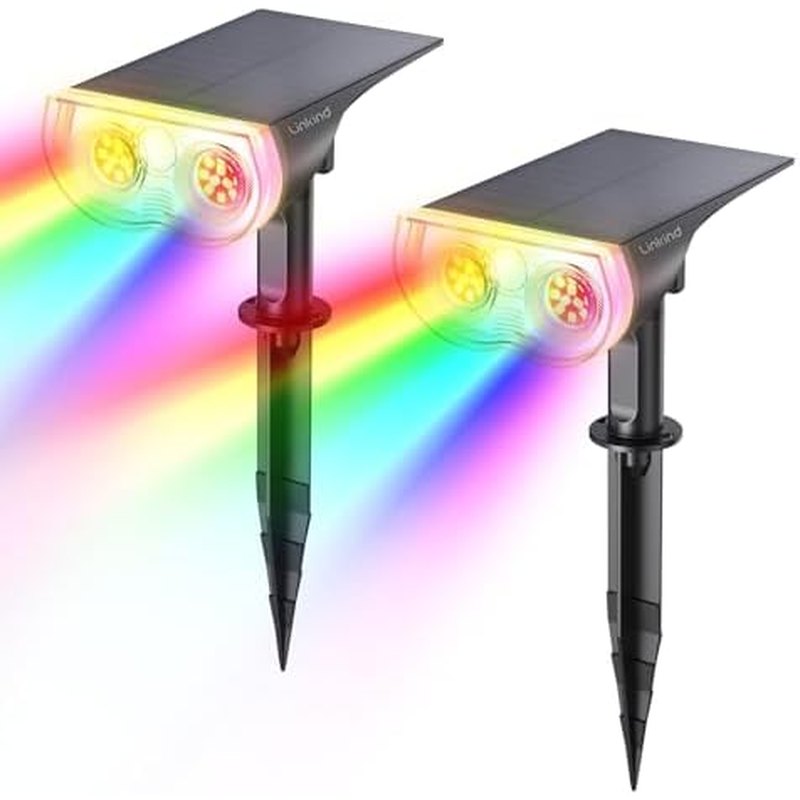
Linkind Solar Landscape Spotlight, RGB, 2-Pack
Same body as the warm-white pick with a color-changing head — useful for holidays, and it still does a plain white. Around 1,000 sold a month; the most-bought Linkind in the range.
RGB + white2 lightsStake or wall mountDusk-to-dawn
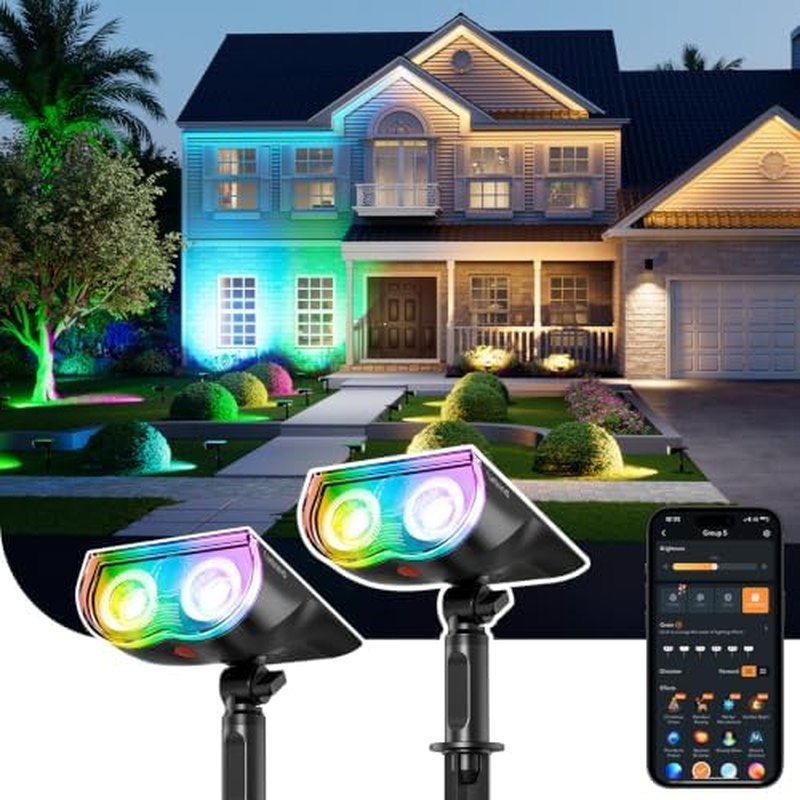
Linkind Smart Solar Spot Lights SL5C, IP67
The app-controlled version: colors, scenes, schedules and holiday presets from your phone, with IP67 waterproofing. The one to buy if you want Halloween orange in October and plain white in November without touching the lights.
App control (AiDot)RGB + whiteIP67Schedules and scenes
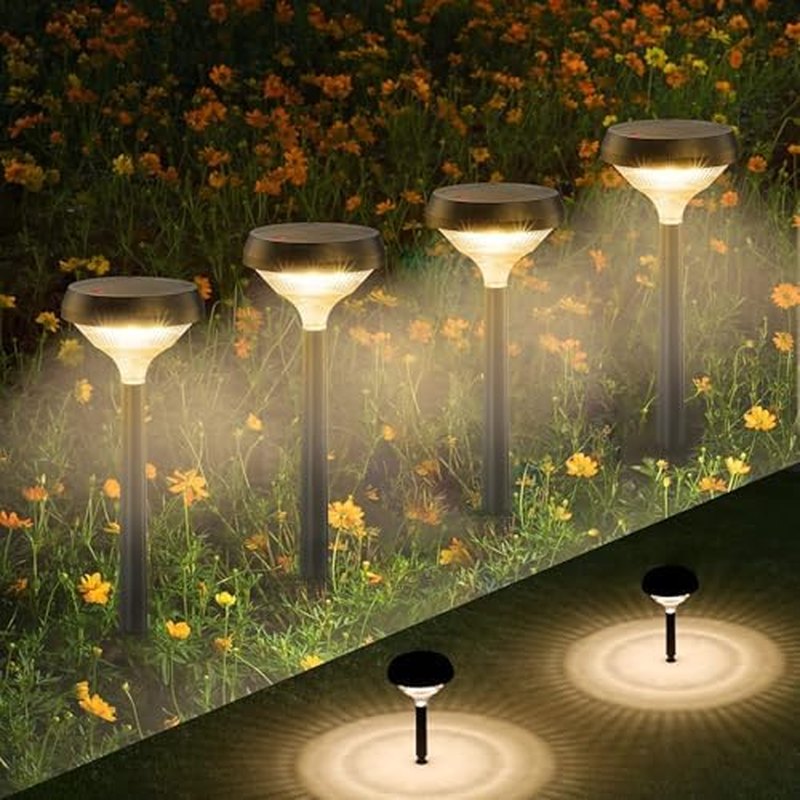
Linkind Solar Pathway Lights, Warm White, 8-Pack
Eight stake lights for a path or driveway edge, warm white, about $7 per light. 4.5 stars — the best-rated Linkind product — though from a smaller pool of 1,000-plus reviews.
8 lightsWarm whiteStake mountPath spacing 6–8 ft
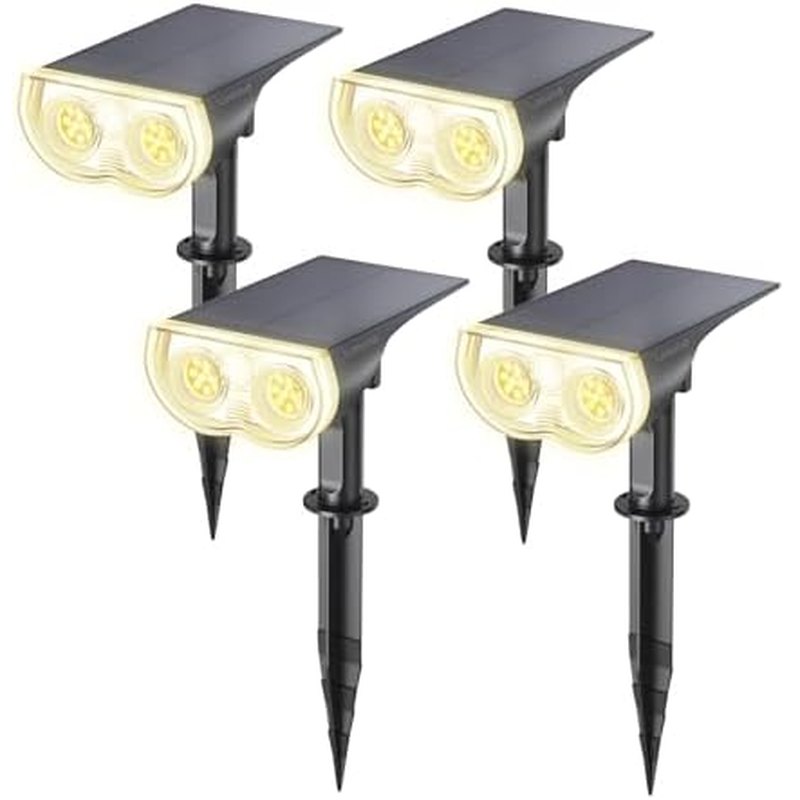
Linkind Solar Spotlights, Warm White, 4-Pack
The same warm-white spotlight in a 4-pack, which drops the per-light price by a couple of dollars. Enough to do both sides of an entry plus two trees.
Warm white4 lightsStake or wall mountSame head as 2-pack
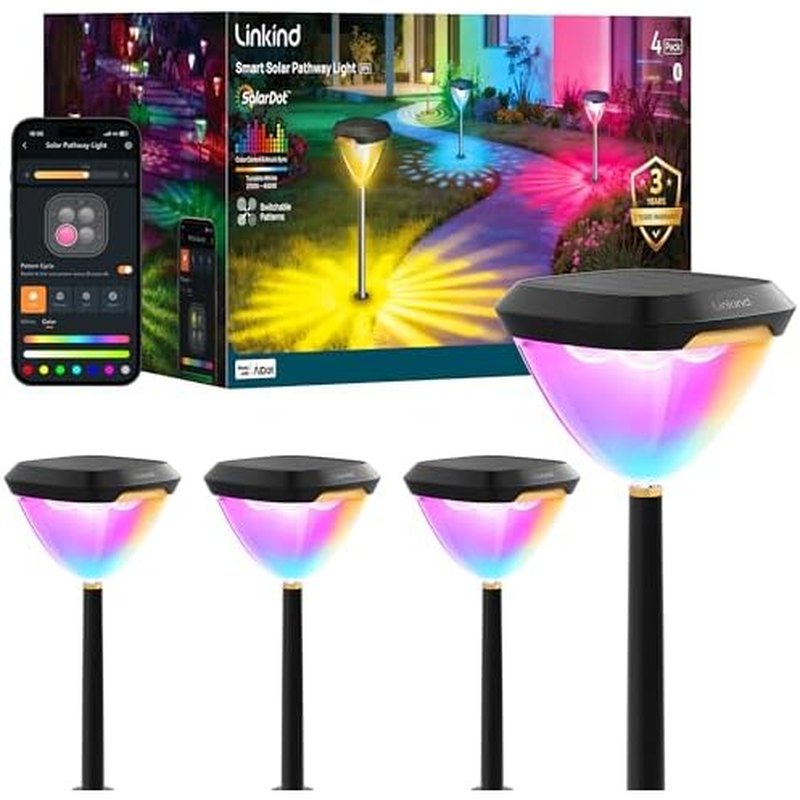
Linkind Smart Solar Pathway Lights SP6
Pathway lights with a pattern switch and app control, for a walkway you want to match to the smart spotlights. Newer, fewer reviews (245), and the priciest item here.
App controlPattern switchPathway stakesNewer model
Linkind is a lighting brand run by Aidot, a Georgia-registered company, and on Amazon it sells one thing very well: a solar-powered landscape spotlight on a stake. That spotlight has more than 15,000 reviews at 4.4 stars, and Linkind sells it in enough variations — warm white, cool white, daylight, RGB, app-controlled, 2-, 4- and 6-packs — that the search results look like a dozen different products. They’re mostly one product. The decision is which head (plain, color, or smart), and how many.
We didn’t install a test yard. We compared the listings and read the owner reviews across every current Linkind solar product, paying attention to the complaints that repeat: winter run time, brightness expectations, and app range on the smart models. Six picks below, one per job. All are affiliate links to Amazon.
The lineup in one table
| Pick | Type | Color | Count | Per light | Rating |
|---|---|---|---|---|---|
| Solar spotlights, warm white | Spotlight | Warm white | 2 | about $12–$15 | 4.4 (15,000+) |
| Solar spotlights, RGB | Spotlight | Color + white | 2 | about $13–$15 | 4.4 (15,000+) |
| Smart solar spot SL5C | Spotlight | Color + white, app | 2 | about $12–$15 | 4.2 (8,900+) |
| Solar spotlights, warm white | Spotlight | Warm white | 4 | about $11–$13 | 4.4 (15,000+) |
| Solar pathway lights | Pathway stake | Warm white | 8 | about $7–$8 | 4.5 (1,000+) |
| Smart solar pathway SP6 | Pathway stake | App, patterns | set | — | 4.4 (245) |
Prices are what Amazon showed in early September 2026; Linkind discounts by 10–20% most weeks. The 15,000-review count is shared across the color and pack variants of the same spotlight, which is how Amazon groups them.
Spotlight or pathway light
A spotlight points a beam at something: a tree trunk, a house number, a flag, a wall texture, the front step. It goes in the ground on a stake or screws to a wall, and the head tilts. Two spotlights is the normal starting order — one on each side of an entry, or two angled up at one tree.
A pathway light is a short stake that throws a pool of light downward around itself. You place them every six to eight feet along a walk or driveway edge. They come in packs of eight because that’s about what one side of a typical front walk takes.
If you’re buying your first solar lights, buy the spotlights. They make a bigger visible difference per dollar, and they’re what Linkind is known for.
Plain, color, or smart
Warm white (2-pack or 4-pack) is the safe choice for a house. It’s the 2700 K-ish amber tone of an incandescent porch light, and it doesn’t make your lawn look like a car dealership. Cool white and daylight versions exist at the same price; they’re brighter-looking but harsher, and reviewers mostly buy them for security-style corners rather than the front of the house.
RGB (2-pack) is the same spotlight with a color-changing head and a small remote or button. It still does plain white. Around 1,000 sold a month, which makes it the single most-bought Linkind listing; the appeal is obvious in October and December. If you’d only ever use white, buy the warm-white pack and save a couple of dollars.
Smart SL5C replaces the remote with Linkind’s AiDot phone app: colors, brightness, scenes, schedules and holiday presets, and IP67 waterproofing on the listing. This is the one if you want the lights to go orange on their own for Halloween and back to white afterward, or dim after midnight. The 4.2-star rating (versus 4.4 for the plain version) is mostly the app: pairing needs 2.4 GHz Wi-Fi at the light’s position, and reviewers with lights at the far end of a big yard report dropouts. Near the house it’s fine.
How many to buy
- Front step or door: one 2-pack, one light each side.
- One feature tree: one 2-pack, both angled up from different sides.
- Entry plus two trees: the 4-pack.
- A front walk: the 8-pack pathway lights, spaced 6–8 feet, plus a 2-pack of spotlights at the door.
- Whole front yard: 4-pack spotlights plus 8-pack pathway; budget about $100.
The 4-pack saves a couple of dollars per light over two 2-packs. The 6-packs exist and save a little more, but six spotlights is a lot of light for most suburban fronts.
The winter problem, honestly
Every solar light dims in winter, and the one- and two-star reviews on Linkind’s spotlights are heavily concentrated in December and January from northern states: “only lasts three hours,” “barely comes on in snow.” That’s the panel getting a fraction of the sun it gets in June. Linkind’s lights have a low-brightness mode that stretches run time, and putting the stake where it gets full afternoon sun (not under the eave, not under the tree it’s lighting) matters more than which model you buy. In the South and Southwest this complaint mostly disappears.
The other expectation to set: these are accent lights. They will light a tree, a wall or a step attractively. They will not floodlight a driveway for a security camera; for that, Linkind’s motion spotlights or a wired floodlight are the right product.
What we’d skip
Linkind’s permanent eave lights (about $280) and its floating pool lights are different products for different projects. Its smart bulbs — indoor A19 bulbs that work with Alexa and Google — are decent and were out of stock on Amazon when we checked; they’re not a landscape purchase anyway. And the daylight-white 6-pack at about $70 is more light than a normal front yard wants; buy warm white unless you have a specific reason not to.
FAQ
Do Linkind solar lights need wiring?
No. Each light has its own panel and battery; you push the stake into the ground or screw the bracket to a wall. They charge in the day and switch on at dusk automatically.
How long do they run at night?
In summer with full sun, the whole night on the lower brightness setting is typical; six to eight hours on high. In winter in the northern half of the US, expect three to five hours. Panel placement in full sun is the biggest factor.
Does the smart SL5C work with Alexa or Google Home?
It pairs through Linkind’s AiDot app, which supports Alexa and Google voice control. The light itself needs 2.4 GHz Wi-Fi coverage where it’s installed.
Are they waterproof?
The SL5C lists IP67; the plain spotlights are rated for outdoor use and have thousands of reviews across several winters. Reviewers in rain-heavy states don’t report water failures as a pattern; they report winter dimming.
The bottom line
For a front step, a tree or a house number, the warm-white 2-pack. For a full front yard, the warm-white 4-pack and the 8-pack pathway lights. If you like changing colors for holidays, the RGB 2-pack; if you want to do it from the couch on a schedule, the smart SL5C. The smart pathway SP6 is only worth it if you already own the smart spotlights and want them matched.
What we like
- Linkind's spotlight body is the same across white, RGB and smart versions, and it's held 4.4 stars over 15,000 reviews — the mount, stake and seals are proven
- Every version is dusk-to-dawn automatic; the smart versions add schedules and colors from a phone
- Per-light prices of $7–$13, well under wired landscape lighting once you count the transformer and cable
What to watch
- Solar means winter dimming: with short, cloudy days the lights run fewer hours, and reviewers in northern states say so
- Brightness is porch-and-tree brightness, not security-flood brightness; don't buy these to light a driveway for a camera
- The app-controlled models need Linkind's AiDot app and 2.4 GHz Wi-Fi at the light's location; a far corner of the yard may be out of range
Junjie Li
Junjie researches and writes every guide on this site. No lab and no sponsors: manufacturer specs, long-term owner reviews and professional test results, then a straight answer on what to buy for each situation.