How to Buy a Nonstick Pan That Lasts Longer Than a Year (and Two We'd Buy)
Every nonstick pan wears out; the difference between one year and four is heat, utensils and the dishwasher — not the brand. Here's what the coating types mean, the three habits that kill them, and two ceramic pans we'd buy.

Our picks
Prices checked September 4, 2026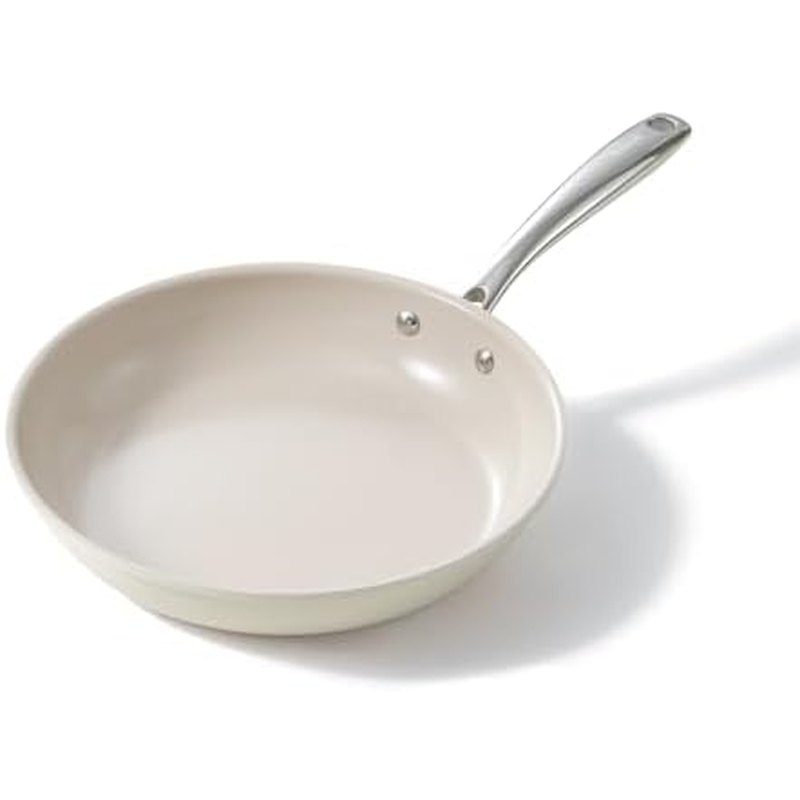
Redchef 11-inch Ceramic Nonstick Skillet
A ceramic (PTFE- and PFAS-free) coating on a heavy aluminum body with an induction-ready base and a stay-cool handle. Eleven inches is the one-pan size for a household of two to four. Owners rate the release highly for the first year; the ones who keep it longer are the ones who stay under medium heat.
11 inCeramic, PFAS-freeInduction readyStay-cool handle
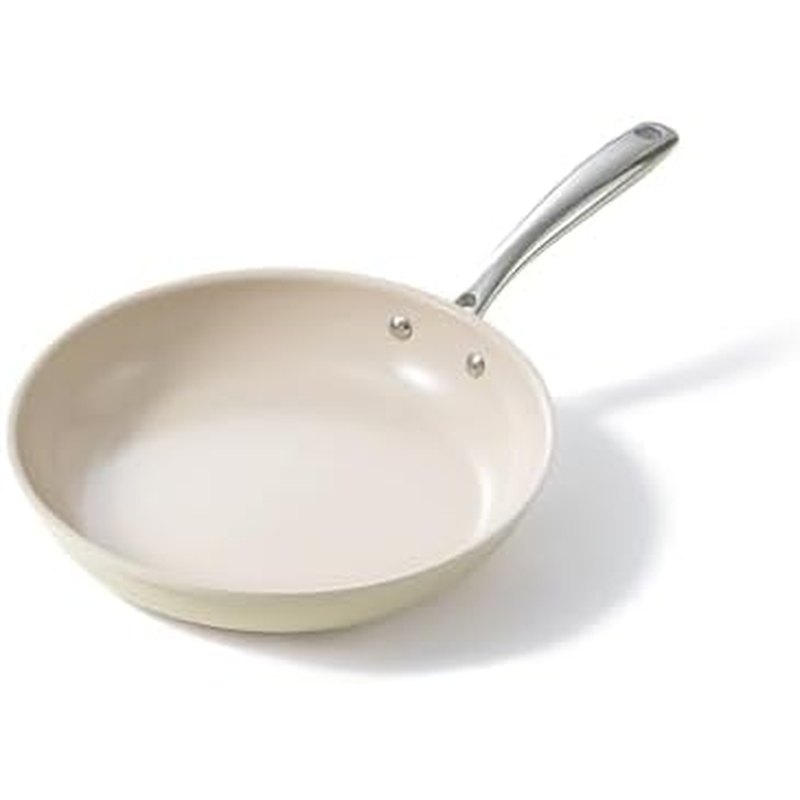
Redchef 8-inch Ceramic Egg Pan
The small pan that does breakfast: two eggs, a grilled cheese, a single portion of anything. Keeping a dedicated small nonstick means the big one stays in the cupboard for the jobs that need it — and a cheap pan is the right place for a coating that will eventually wear.
8 inCeramic coatingLightweightDishwasher-safe body
Nonstick pans are the only cookware people expect to replace, and they’re usually right to. The coating is a thin layer of polymer or ceramic that wears mechanically and degrades with heat; nothing on the market lasts a lifetime. What varies — enormously — is whether that life is one year or four, and the variables are mostly in your hands, not the manufacturer’s.
We compared eighteen current nonstick skillets from Redchef, GreenPan, Caraway, OXO, Tramontina, T-fal and All-Clad, read owner reviews with particular attention to the “worked great for six months, then…” complaints, and checked the coating claims against what’s actually known about PTFE and ceramic sol-gel coatings. This guide explains the two coating families, the four habits that decide lifespan, and the two pans we’d buy.
The two coatings, honestly compared
| PTFE (“Teflon”) | Ceramic (sol-gel) | |
|---|---|---|
| Release when new | Excellent | Excellent |
| Release after 2 years | Good if treated well | Fair — loses slickness sooner |
| Heat tolerance | Degrades above ~500°F (260°C); fumes if overheated empty | Tolerates higher heat, but high heat still shortens its life |
| PFAS | Modern PTFE is PFOA-free, but PTFE itself is a fluoropolymer | PFAS-free |
| Metal utensils | No | No (despite some marketing) |
| Best for | People who cook on low-medium and want maximum lifespan | People who want to avoid fluoropolymers and cook at moderate heat |
The honest summary: PTFE lasts a little longer under identical care; ceramic avoids fluoropolymers entirely. Both are fine when used correctly. Both are ruined by the same four habits.
The four habits that kill nonstick pans
- Preheating empty. An empty pan on a burner shoots past 500°F in a couple of minutes. That’s the single most common way coatings die. Add oil or food first, then heat.
- High heat. Nonstick is for eggs, fish, pancakes, delicate things — medium and below. Searing a steak wants cast iron or carbon steel. Every review that says “the coating failed in six months” is, statistically, a high-heat cook.
- Metal utensils. Silicone or wood only. One scrape doesn’t ruin a pan; a year of scrapes does.
- The dishwasher. Detergent and heat dull coatings over time. Hand-wash with a soft sponge; nonstick is the easiest pan in the kitchen to clean anyway.
Two more that matter less but help: don’t stack pans without a cloth between them, and don’t spray cooking spray on nonstick — the propellants polymerize into a sticky film.
Our picks
Both are ceramic, from Redchef, and both were chosen because owner reviews describe the right failure pattern: praise for release and heat distribution, and complaints that, when read closely, involve high heat or the dishwasher. That’s what a well-made nonstick pan looks like in reviews.
Redchef 11-inch ceramic skillet. The daily pan for two to four people: room for four eggs or two chicken breasts, a heavy aluminum body that heats evenly on gas or induction, and a handle that stays cool on the stovetop. At around $50 it’s priced where a nonstick pan should be — enough for a solid body, not so much that replacing it in three years hurts.
Redchef 8-inch ceramic egg pan. The breakfast pan. Two eggs, an omelette, a single grilled cheese. The point of owning it is that the 11-inch doesn’t get pulled out for small jobs, so both coatings see half the wear. At about $30 it’s the cheapest way to make the big pan last longer.
Well-known alternatives (not affiliate links): the Tramontina Professional 10-inch is the PTFE pan most test kitchens recommend and the best pure-value option if you’re fine with PTFE; the OXO Ceramic Professional is a good ceramic alternative with a slightly heavier build; the GreenPan Valencia Pro is the ceramic premium option, at roughly double the Redchef’s price for a similar coating on a nicer body.
Size and shape
- 8 inches: eggs, one portion. Everyone should own one.
- 10 inches: one to two people’s main dish.
- 11–12 inches: two to four people; the size to have if you have only one large pan.
A flat cooking surface that’s genuinely flat matters more than the rim-to-rim diameter on the box — many “12-inch” pans have 9 inches of usable floor. Sloped sides make flipping easier; straight sides fit more food. For a general-purpose skillet, gently sloped is right.
Look for a base thick enough not to warp (a 3 mm aluminum disc or forged body; thin stamped pans warp on gas within a year), an induction-ready base if there’s any chance you’ll switch stoves, and a handle riveted or welded rather than screwed.
When not to buy nonstick
If you sear meat, make pan sauces, or want a pan you’ll hand down, nonstick is the wrong tool. A cast iron or carbon steel skillet does those jobs better and lasts forever; we compare the two in our cast iron vs. carbon steel guide. The ideal kitchen has one of those plus a small nonstick for eggs — not a cupboard full of nonstick in every size.
FAQ
Is scratched nonstick dangerous?
Modern PTFE and ceramic coatings are considered inert if ingested in flakes. The concern with PTFE is overheating (fumes above roughly 500°F), not scratches. A heavily scratched pan should be replaced because it no longer works, not because it’s hazardous.
Can I use metal utensils on “metal-utensil-safe” ceramic?
The claim means light contact won’t gouge it. It doesn’t mean scraping with a metal spatula is fine. Treat all nonstick the same: silicone or wood.
Why did my new pan start sticking after a few months?
Almost always a thin, invisible film of polymerized oil from cooking spray or high heat. Try scrubbing with baking soda paste; if that doesn’t restore it, the coating has worn.
How long should a good nonstick pan last?
Two to four years with careful use. Anyone claiming ten years is either cooking very gently or not cooking much.
The bottom line
Buy the Redchef 11-inch for daily cooking and the 8-inch for eggs, treat both as consumables with a two-to-four-year life, and spend the money you saved on a cast iron or carbon steel pan for searing. Never preheat empty, never above medium-high, never metal utensils, never the dishwasher — do those four things and either pan will outlast the ones you've owned before.
What we like
- Ceramic coatings avoid the PFAS conversation entirely and release eggs as well as PTFE when new
- A heavy aluminum base heats evenly and resists warping — the thin $15 pans warp within months on a gas burner
- Owning a small egg pan and a large skillet, rather than one medium pan, roughly doubles how long each coating lasts
What to watch
- Ceramic coatings lose their slickness faster than PTFE once abused — high heat is the killer
- No nonstick pan is truly dishwasher-safe over years, whatever the box says; hand-wash if you want it to last
- A $50 pan and a $150 pan wear out on the same timeline if treated the same; the premium mostly buys build quality, not coating life
Junjie Li
Junjie researches and writes every guide on this site. No lab and no sponsors: manufacturer specs, long-term owner reviews and professional test results, then a straight answer on what to buy for each situation.