Blackout Curtains, a Sound Machine and the Right Pillow: What Actually Helps You Sleep (and What We'd Buy)
Light leaking around curtain edges, looping noise, and the wrong pillow loft cause most fixable sleep problems. The curtains, sound machine and pillows we'd actually buy, and how to hang the curtains.

Our picks
Prices checked September 4, 2026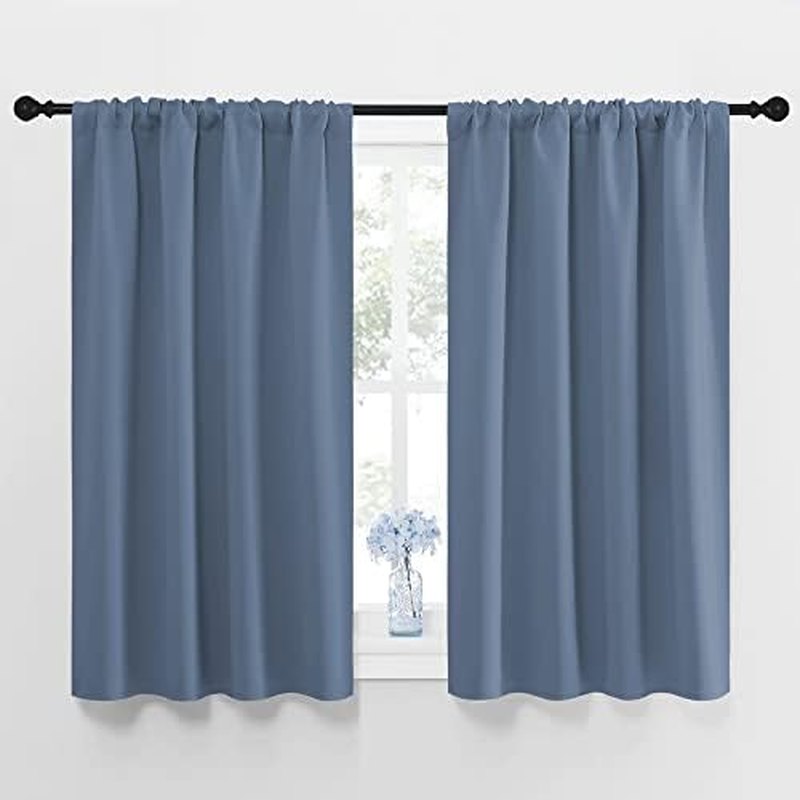
NICETOWN Thermal Blackout Curtains (pair)
The default blackout curtain for a reason: triple-weave fabric that blocks most light without a stiff liner, a rod pocket that's simple to hang, and a 4.6-star average across 47,000+ reviews. This 42 × 45-inch pair suits a small bedroom window; the listing runs to longer lengths.
Triple-weave polyesterRod pocket topThermal insulated42 × 45 in per panel (this size)
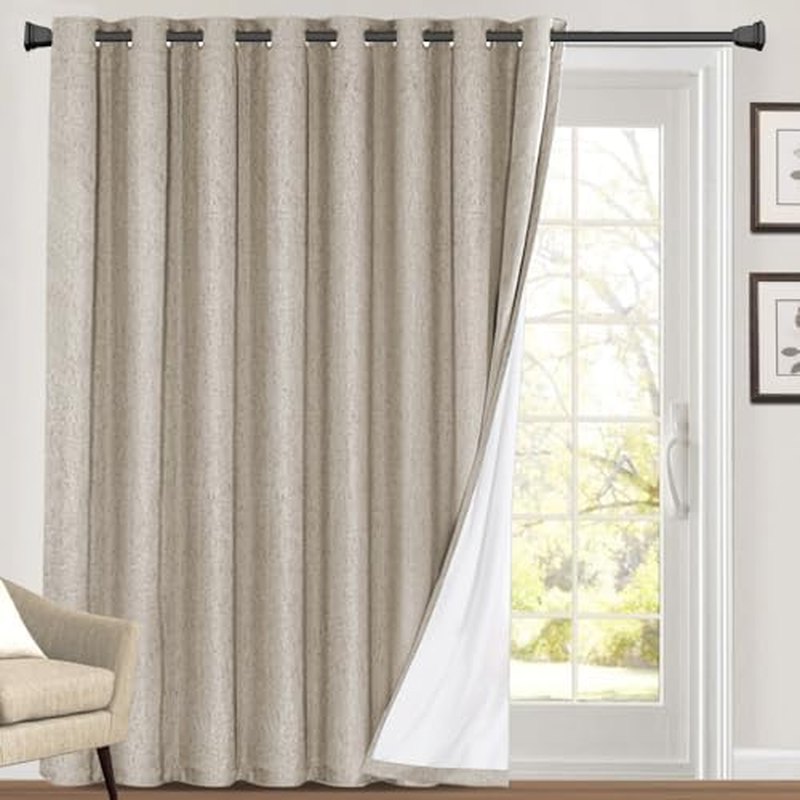
PrinceDeco 100% Blackout Linen Curtain, 100 × 108 in
A linen-look face with a sewn-in white liner, so it's the only curtain here that actually claims 100% blackout, and at 100 inches wide by 108 long one panel covers a patio door or a wide bedroom window with room to overlap.
100% blackout with white liner100 × 108 in single panelLinen-look faceThermal insulated
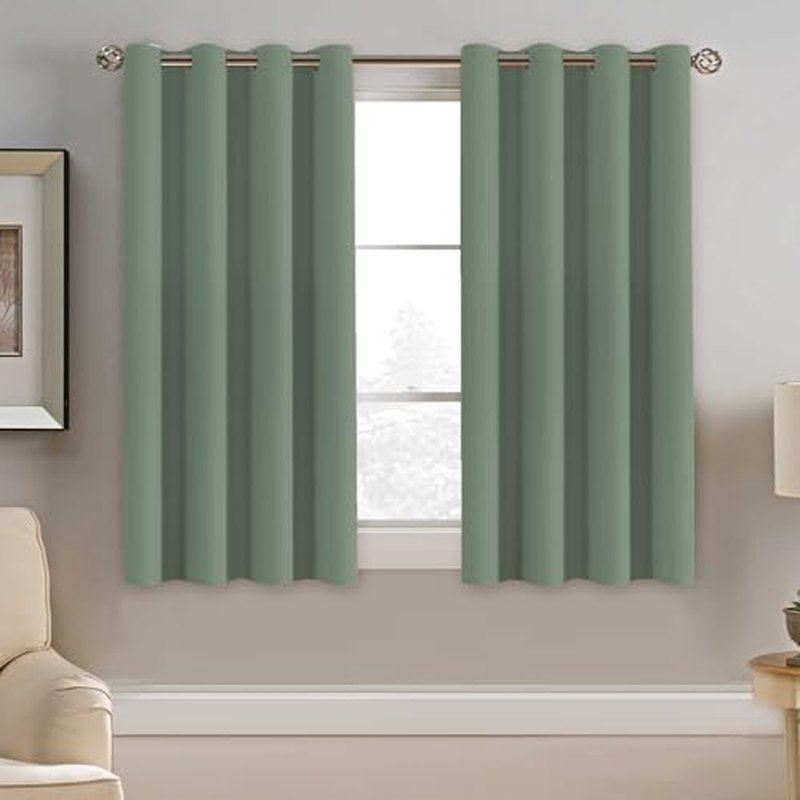
H.VERSAILTEX Grommet Blackout Curtain, 52 × 45 in
One 52-by-45-inch grommet panel for a small kitchen, bathroom or nursery window; the same triple-weave idea as the NICETOWN, 4.6 stars over 31,000 reviews, and grommets slide on a rod more easily than a pocket.
Grommet top52 × 45 in single panelTriple-weave blackout fabricGreen Bay color (this listing)
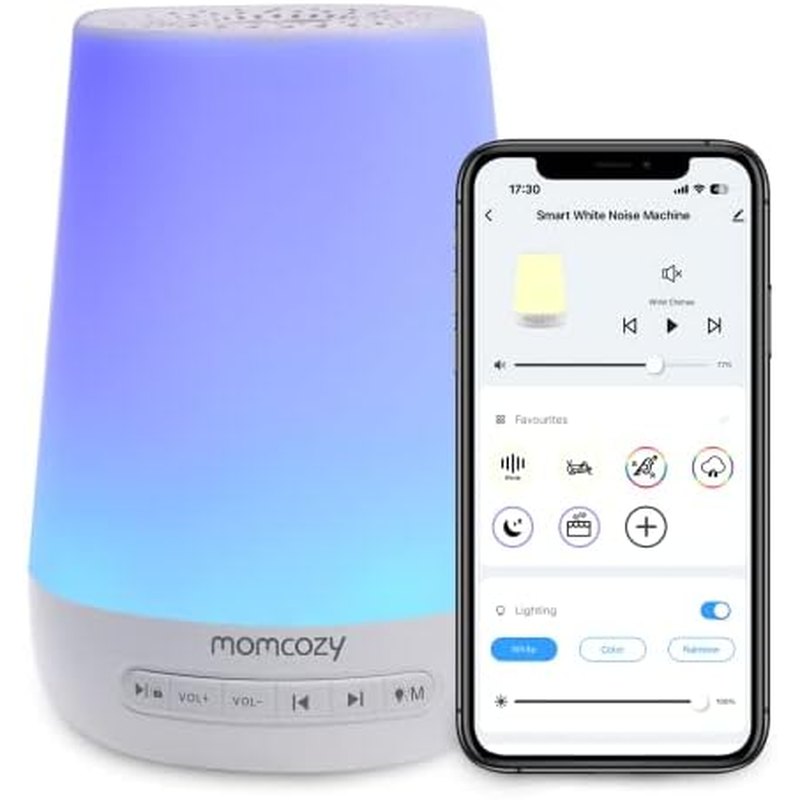
Momcozy Smart Sound Machine with Night Light
Sold as a nursery machine, but it's a good adult one too: continuous white noise and nature sounds, a dimmable night light, app control from bed, and a timer. 9,000+ bought in the past month at 4.4 stars.
White noise, nature sounds and lullabiesDimmable night lightApp and on-device controlSleep timer
Most bedroom sleep problems are light, noise, or a pillow that’s the wrong height for how you lie. Curtains fix the first, a sound machine masks the second, and a pillow with the right loft fixes the third, and the whole set costs less than a mid-range mattress topper. The decision is not which brand; it’s which kind. For curtains, that means “blackout” versus “100% blackout with a liner,” and hanging them so the edges seal. For noise, it’s a machine that doesn’t loop. For pillows, it’s loft matched to sleep position, not a firmness label.
We’d buy the NICETOWN thermal blackout pair for a standard bedroom window and the PrinceDeco 100% blackout linen panel where the window faces a streetlight or a sunrise; the Momcozy sound machine, which is sold for nurseries and works fine for adults; and for pillows, the Coop Home Goods Original or the Beckham Hotel Collection two-pack, neither of which is an affiliate link. We didn’t run a light meter or a decibel test. These are fabric and spec comparisons plus long-term owner reviews, tens of thousands of them on the curtains alone.
Everything in one table
| Item | Type | Price | Best for | Earns us anything? |
|---|---|---|---|---|
| NICETOWN Thermal Blackout Curtains (pair, 42 × 45 in) | Triple-weave polyester, rod pocket | $20–$23 | Standard bedroom windows | Yes (affiliate) |
| PrinceDeco 100% Blackout Linen Curtain (100 × 108 in) | Linen-look face with sewn-in white liner | $56 | Streetlights, sunrise, patio doors | Yes (affiliate) |
| H.VERSAILTEX Grommet Blackout Curtain (52 × 45 in, one panel) | Triple-weave polyester, grommet | $16 | Small kitchen, bath or nursery windows | Yes (affiliate) |
| Momcozy Smart Sound Machine with Night Light | Digital, app-controlled, night light | $32–$40 | Light sleepers, shared walls, kids’ rooms | Yes (affiliate) |
| Coop Home Goods Original (not an affiliate link) | Adjustable shredded memory foam | About $70–$80 (queen) | Side and back sleepers dialing in loft | No |
| Beckham Hotel Collection (not an affiliate link) | Gel-fiber down alternative, two-pack | About $40–$50 for two | Stomach sleepers, soft-pillow people, guest rooms | No |
| Yogasleep Dohm (not an affiliate link) | Fan-based mechanical | About $50 | Anyone who can hear a digital loop | No |
Curtains: the fabric is rarely the problem, the edges are
Blackout fabric comes in two kinds. Triple-weave polyester, which is what NICETOWN and H.VERSAILTEX sell, has a dense black yarn layer woven between two colored faces. It blocks most light, drapes like a normal curtain, and darker colors block more than pale ones; owners of the lightest shades are the ones who report a glow. The second kind adds a separate liner: PrinceDeco sews a white blackout liner behind a linen-look face, which is why it’s the only one of the three that claims 100%. If your window faces a streetlight or you work nights, buy the lined one. If you just want the room dark enough to sleep past dawn, the triple-weave is enough.
Whatever fabric you buy, the light gets in around it. Three rules from the owner reviews that got it right: mount the rod 4 to 6 inches above the frame and 6 to 10 inches past it on each side; buy panels whose combined width is at least twice the window’s so they overlap in the middle; and let them reach the sill or the floor. A wraparound (return) rod that curves back to the wall closes the side gaps, and a strip of blackout liner or a box valance closes the top. “Room darkening” on a label means partial. Don’t buy it if you mean blackout.
Which curtain for which window
The NICETOWN pair at 42 by 45 inches per panel is a small-window size, meant for a standard bedroom window with a rod-pocket top. The same listing runs to longer lengths, and the rod-pocket top gathers tightly, which helps block light at the top. 47,000-plus reviews at 4.6 stars is the biggest owner base in the category, and the consistent complaints are about color matching the photo, not about the fabric.
The H.VERSAILTEX is one 52-by-45 grommet panel for $16. Grommets slide on a rod more easily and look more modern, but the top of a grommet curtain sits an inch or two below the rod, which lets a little more light over the top than a pocket does. Right for a kitchen, bathroom or nursery window; buy two for anything wider than about 30 inches.
The PrinceDeco is a single 100-by-108 panel: wide enough to cover a patio slider or a large bedroom window on its own, long enough to puddle on the floor. It’s also sold as a room divider for exactly that reason. At $56 it’s the expensive one and the one we’d choose for the room where light is the actual problem.
The sound machine: a nursery product that happens to be the right one
The Momcozy is marketed at parents, which is why it has a night light and lullabies. Ignore that. What matters for an adult is that it plays white noise and nature sounds continuously, has a timer, and can be adjusted from bed through an app instead of a fumble in the dark. It’s the most-bought item in this guide by a wide margin (9,000-plus in the past month) and reviews sit at 4.4 stars, with the complaints concentrated on app pairing rather than the sound.
The thing to listen for in any digital machine is the loop. A short recording with an audible seam becomes unbearable at 3 a.m. If you’re the person who hears that, the fan-based Yogasleep Dohm (about $50, not an affiliate link) produces real, non-repeating air noise with a small motor and nothing else. It has exactly two speeds and no app, which is the trade.
Placement: between you and the noise, near the door or window, not next to your head, at a volume you could hold a quiet conversation over. That goes double for children’s rooms.
Pillows: buy loft, not firmness
The pillow rule is that your head and neck should stay in line with your spine, as they would standing up straight. Side sleepers need the most loft to fill the gap from shoulder to ear, more if your shoulders are broad, less if your mattress lets the shoulder sink in. Back sleepers want medium loft that supports the neck without pushing the chin down. Stomach sleepers need a thin, soft pillow or none.
The Coop Home Goods Original (about $70–$80 for a queen, not an affiliate link) is the safe first pillow for side and back sleepers because it’s adjustable: shredded memory foam and microfiber you can remove or add until it’s right, with an extra bag of fill in the box. The Beckham Hotel Collection two-pack (about $40–$50, not an affiliate link) is a gel-fiber down alternative with a very soft, squashy feel, the one we’d point stomach sleepers and guest rooms to, with the caveat that fiber pillows flatten in a year or two and this one is no exception.
Replace a pillow when it stays flat after fluffing or when you wake with neck stiffness that eases by mid-morning.
The order we’d fix things in
Start with whichever complaint you actually have. Wake at dawn: curtains, hung correctly. Wake to traffic or a partner: the sound machine. Wake with a stiff neck: the pillow. Give each two weeks before buying the next. If none of it moves the needle, that’s a clinician’s problem; snoring, insomnia and daytime exhaustion aren’t things a curtain treats.
FAQ
Do blackout curtains really block all light?
The lined ones can; the triple-weave ones block most of it. The installation decides the rest. Mount the rod high and wide, overlap the panels, and close the top gap.
Is white noise safe every night?
At moderate volume it’s widely used long-term. Keep the machine away from the bed and the volume conversational, especially in a child’s room.
How do I know my pillow is the wrong height?
Lie in your usual position and have someone check whether your nose lines up with the center of your chest. Tilted up or down means the loft is wrong.
The bottom line
For a standard bedroom window buy the NICETOWN thermal blackout pair and hang it high and wide; for a window facing a streetlight, the lined PrinceDeco panel. Add the Momcozy sound machine if noise wakes you. For pillows, side and back sleepers should get the adjustable Coop Home Goods Original, stomach sleepers the soft Beckham Hotel Collection; neither is an affiliate link.
What we like
- Triple-weave blackout curtains like the NICETOWN pair cost about $20 and block most light without a stiff liner
- A lined 100% blackout panel (PrinceDeco) is the only curtain type that genuinely gets a room dark under a streetlight
- The Momcozy sound machine plays continuous white noise with app control and a timer, and costs less than most adult-branded machines
What to watch
- Curtain fabric is never the weak point; light leaks around the rod and the edges unless you mount it 4–6 inches above and 6–10 inches beyond the frame
- Triple-weave curtains in light colors let a visible glow through; go dark or go lined
- We don't earn anything on the pillows or the fan-based Dohm, and none of this fixes snoring, insomnia or a bad schedule
Junjie Li
Junjie researches and writes every guide on this site. No lab and no sponsors: manufacturer specs, long-term owner reviews and professional test results, then a straight answer on what to buy for each situation.